Summer Safety Tips for Dogs and Cats in Marysville


Summer Safety Tips for Dogs and Cats in Marysville
As the summer sun shines down on Marysville and surrounding communities, it’s natural to want to spend more time outdoors with your pets. However, the warm weather brings specific risks for dogs and cats, from heat stress and dehydration to sunburn and seasonal allergies. At Marysville Veterinary, located at 4010 136th St NE, Marysville, WA 98271, our veterinary team is committed to helping pet owners keep their companions safe, healthy, and comfortable all summer long. In this guide, we’ll share practical advice to help you prevent common summer hazards and recognize signs that your pet may need extra care. You’ll also learn when to schedule a veterinary visit and how our comprehensive services, including wellness examinations and flea and tick control, can support your pet’s health through every season.
Recognizing Summer Hazards: Signs Your Dog or Cat Needs Extra Attention
The summer months can be both enjoyable and challenging for pets. Dogs and cats are susceptible to overheating, dehydration, and skin issues when temperatures rise. Being able to recognize early warning signs can make a significant difference in your pet’s wellbeing.
Key symptoms of heat stress in pets include excessive panting, drooling, rapid breathing, and a warm or dry nose. Cats may become lethargic and seek out cool, hidden areas, while dogs might appear restless or struggle to settle. In more severe cases, you may notice vomiting, diarrhea, unsteady movement, or even collapse. Dehydration can present as sunken eyes, dry gums, and reduced skin elasticity; gently pinch the skin at the back of your pet’s neck and observe how quickly it returns to place—delayed return can indicate dehydration.
Sunburn is another concern, especially for pets with light-colored or thin coats. Watch for red, tender skin on ears, noses, and bellies. Additionally, seasonal allergies can flare up during summer, with signs such as frequent scratching, licking, watery eyes, or red, inflamed skin.
If your pet seems listless, refuses food or water, or shows any of the above symptoms, it’s essential to take their condition seriously. Quick action can prevent complications and ensure your pet stays safe.
Why Do Dogs and Cats Struggle in the Heat? Understanding Summer Risks
Pets do not regulate their body temperature as efficiently as humans. Dogs primarily cool off by panting, and cats rely on grooming and seeking shade. When the weather turns hot and humid, these natural mechanisms may not be enough.
Several factors increase the risk of heat-related problems. Brachycephalic breeds (those with short noses, like Bulldogs and Persians) are more prone to overheating. Older pets, overweight animals, and those with chronic health conditions may also find it harder to cope. Hot pavement and asphalt can burn sensitive paw pads, while parked cars—even for just a few minutes—can reach dangerous temperatures quickly.
Dehydration often occurs because pets may not drink enough water, especially if they are distracted by new outdoor activities. Active play, long walks, and time spent in the yard can all lead to increased fluid loss. Sunburn happens when pets are exposed to direct sunlight for extended periods, particularly if they have sparse fur or pink skin.
Fleas, ticks, and other parasites are more active in summer and can cause irritation, allergic reactions, and disease transmission. Seasonal allergies triggered by pollen, grasses, and molds can also worsen, leading to discomfort and secondary skin infections.
Understanding these risks allows pet owners to take proactive steps in protecting their animals throughout the summer.
Keeping Your Pet Safe: Veterinary-Recommended Summer Management
When it comes to managing summer hazards, preventive care is key. At Marysville Veterinary, our team of veterinarians recommends several strategies to help your pet thrive, including regular wellness visits, up-to-date parasite prevention, and tailored advice for your pet’s unique needs.
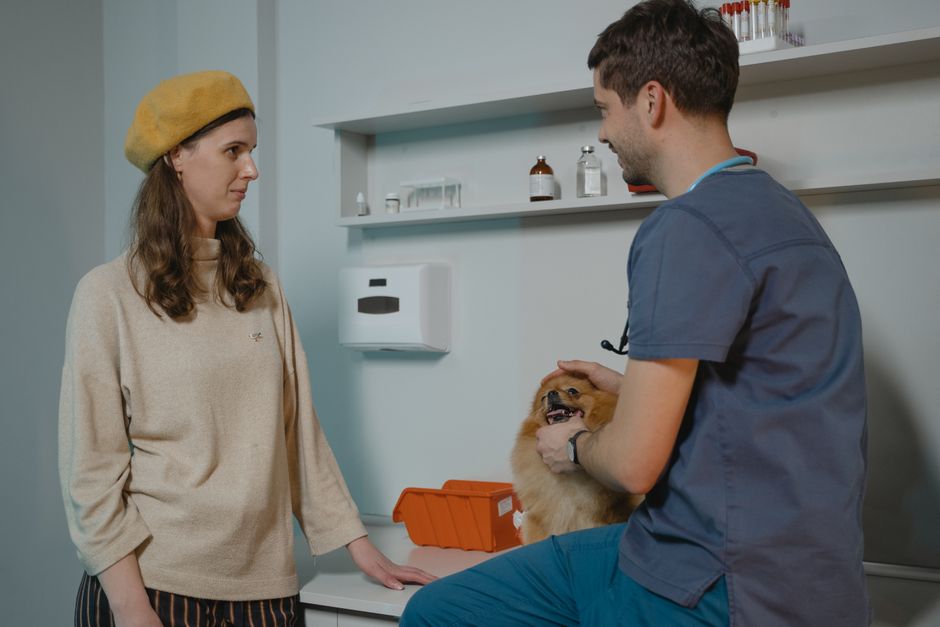
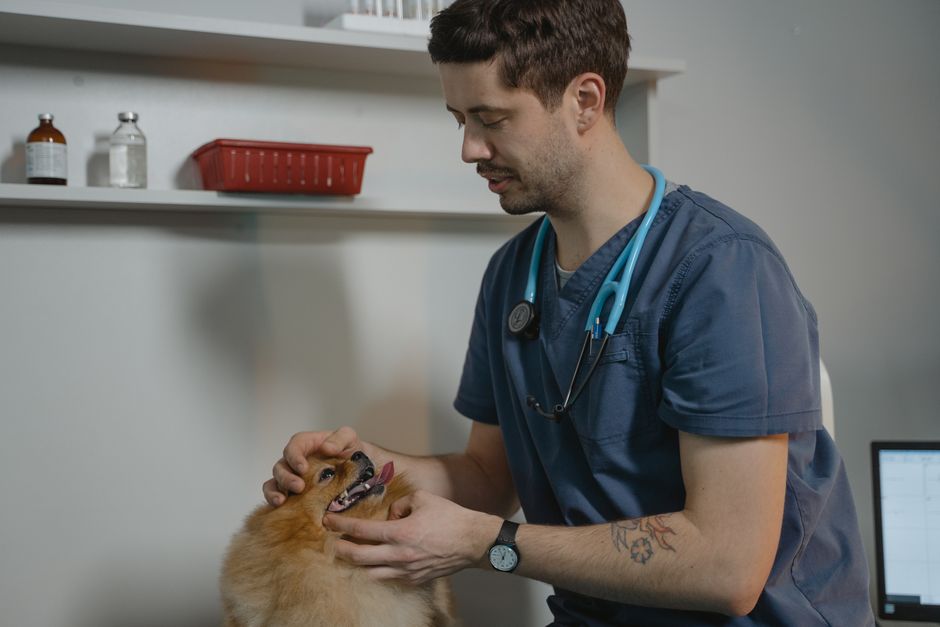
A wellness examination is the foundation of summer safety. During your visit, we assess your pet’s overall health, review their vaccination status, and discuss any concerns you have about seasonal risks. Preventive care appointments are an ideal time to evaluate your pet’s weight, mobility, and underlying conditions that may affect their ability to handle the heat.
For parasite control, we offer flea and tick prevention services designed for the Marysville area. Our veterinary professionals can recommend the most effective products to protect your pet from fleas, ticks, and other pests that are common during summer.
If your pet suffers from seasonal allergies, our team can help develop a management plan to reduce itching, discomfort, and secondary skin problems. Treatments may involve medicated shampoos, allergy medications, or dietary adjustments, always tailored to your pet’s specific needs.
In cases of heat stress or dehydration, immediate veterinary care is essential. Treatment may involve intravenous fluids, cooling measures, and supportive care in our hospital setting. Early intervention greatly improves outcomes and helps your pet recover more quickly.
Prevention and Home Care: Simple Steps for a Safer Summer
Caring for your dog or cat during the summer starts at home. There are several practical steps you can take to minimize risks and keep your pet happy.
Always provide access to fresh, cool water, both indoors and outside. Frequent water bowl checks and refills are especially important on hot days. Shade is crucial for outdoor pets; set up umbrellas, canopies, or allow access to shaded patios and cool indoor spaces.
Limit walks and vigorous play to early morning or evening hours when temperatures are lower. Avoid hot pavement and asphalt, as these surfaces can burn sensitive paws. Test surfaces with your hand before heading out—if it’s too hot for you, it’s too hot for your pet.
Never leave your dog or cat unattended in a parked car, even for a short time. Temperatures inside vehicles can become life-threatening within minutes.
For pets with light coats or exposed skin, consider using pet-safe sunscreen on vulnerable areas like the nose, ears, and belly. Grooming your pet can help remove excess fur and reduce the risk of overheating, but avoid close shaving, as fur also provides sun protection.
Address seasonal allergies by wiping your pet’s paws and coat after outdoor adventures to remove pollen. If your pet shows signs of itching or red skin, reach out to our veterinary team for support or consider exploring our allergy care services for personalized help.
Check your pets regularly for signs of fleas, ticks, or skin irritation. Consistent use of veterinarian-recommended preventives will help keep these pests at bay.
When to Seek Veterinary Care: Recognizing Emergencies and Next Steps
Even with the best preventive efforts, emergencies can still arise. Knowing when to contact your veterinarian can be lifesaving.
You should schedule an appointment immediately if your pet displays symptoms such as excessive panting that does not resolve after rest, difficulty breathing, drooling with lethargy, vomiting, diarrhea, or signs of collapse. Other urgent concerns include burns or blisters on paw pads, persistent scratching or skin wounds, refusal to drink water, or confusion and unsteady movement.
For pets with chronic health conditions—like heart disease, diabetes, or obesity—summer can be especially challenging. These pets may need more frequent check-ins with our veterinary team to monitor their wellbeing.
If you suspect your pet has been exposed to toxic plants, chemicals, or is suffering from a severe allergic reaction, do not wait; contact our team for guidance right away.
Our compassionate veterinary professionals at Marysville Veterinary are available to assess your pet’s condition, provide prompt care, and offer advice tailored to their needs. For non-emergency concerns, preventive care appointments, and seasonal checkups, we recommend scheduling in advance to ensure timely service during our regular hours.
Supporting Your Pet’s Health Year-Round: Our Commitment to Local Families
Summer in Marysville offers plenty of opportunities for outdoor fun, but it also brings unique challenges for dogs and cats. By staying alert to the signs of heat stress, dehydration, sunburn, and allergies, and by following simple home care tips, you can help your pet enjoy the season safely. Our team at Marysville Veterinary is proud to serve pet owners in Marysville and surrounding communities with a full range of preventive, diagnostic, and treatment options.
If you have questions about your pet’s summer health, or want to schedule a comprehensive wellness examination, we invite you to contact us. For those searching for a "vet near me" who understands the unique needs of local dogs and cats, our practice is here to help. You can reach Marysville Veterinary by calling (360) 659-7334 or by visiting us at 4010 136th St NE, Marysville, WA 98271. Together, let’s make this summer enjoyable, safe, and healthy for your entire furry family.
This article is for informational purposes only and does not replace professional veterinary advice. If you are concerned about your pet’s health, please schedule an appointment with our veterinary team.