Preventing Summer Allergies in Marysville Dogs and Cats

Preventing Summer Allergies in Marysville Dogs and Cats
As summer settles over Marysville and the surrounding communities, many pet owners notice their dogs and cats scratching, sneezing, or dealing with red, irritated skin. Seasonal allergies are a common reason for these symptoms, especially during the warmer months when pollen, grasses, and other irritants are at their peak. If your dog or cat seems more uncomfortable than usual this July, you are not alone—Marysville Veterinary sees a noticeable increase in allergy-related visits each summer. In this blog, we will help you understand how summer allergies affect local pets, identify the telltale signs, explore what causes these reactions, and share proven strategies to keep your pet comfortable. You will also learn when it is time to schedule an appointment at our trusted veterinary hospital on 4010 136th St NE, Marysville, WA 98271. Our experienced veterinary team is here to support you and your pet through allergy season, offering a full range of services from diagnostics to compassionate care.
Recognizing the Signs of Allergies in Dogs and Cats
Dogs and cats experience allergies differently than people do. While humans may sneeze or have watery eyes, pets often show their discomfort through their skin or respiratory tract. Common signs of allergies in dogs include persistent scratching, licking their paws, chewing at their skin, and developing red, inflamed patches—sometimes even leading to hair loss or hot spots. Cats might overgroom, resulting in bald spots, or develop scabs, especially around the face and neck. Sneezing, watery eyes, and ear infections can also occur in both species, particularly if your pet spends time outdoors during high pollen days.
If you notice your dog rubbing their face along the carpet or your cat suddenly scratching more than usual, these could be early indicators that allergies are at play. Some pets develop chronic ear issues or recurring skin infections as a result of ongoing allergic reactions. Pay attention to changes in your pet’s coat, skin texture, and general behavior; discomfort, irritability, or reluctance to be touched can all be signs that your pet is struggling with seasonal allergies.
What Causes Summer Allergies in Marysville Pets?
Allergies occur when a pet’s immune system reacts to substances in the environment that are normally harmless. In Marysville, summer brings a surge of pollen from grasses, trees, and weeds, which are common triggers for both dogs and cats. Mold spores thrive in the damp Pacific Northwest climate, adding another layer of potential allergens. Additionally, dust mites and flea saliva can exacerbate symptoms—especially if your pet is already sensitive.
Outdoor activities, such as walks through local parks or rolling around in the backyard, increase exposure to these allergens. Even indoor pets are not immune, as pollen and mold can be tracked inside on shoes or through open windows. Some dogs and cats are genetically predisposed to allergies, meaning they may react more intensely to the same environmental triggers that do not affect other pets. Flea allergies are particularly problematic; a single bite can cause severe itchiness in susceptible pets. Addressing fleas and environmental allergens together is critical for effective summer allergy management.
How Our Veterinary Team Diagnoses and Treats Pet Allergies
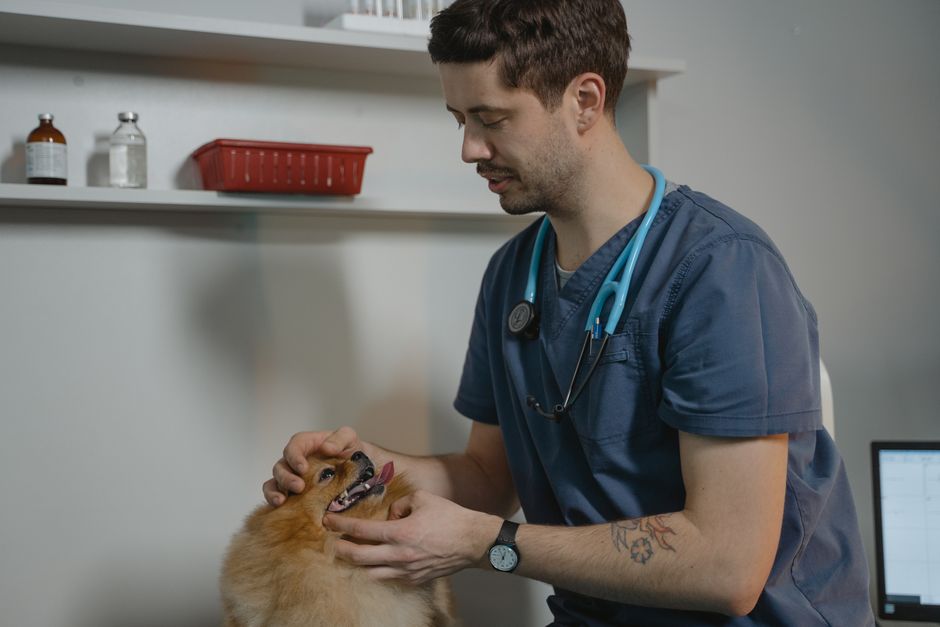
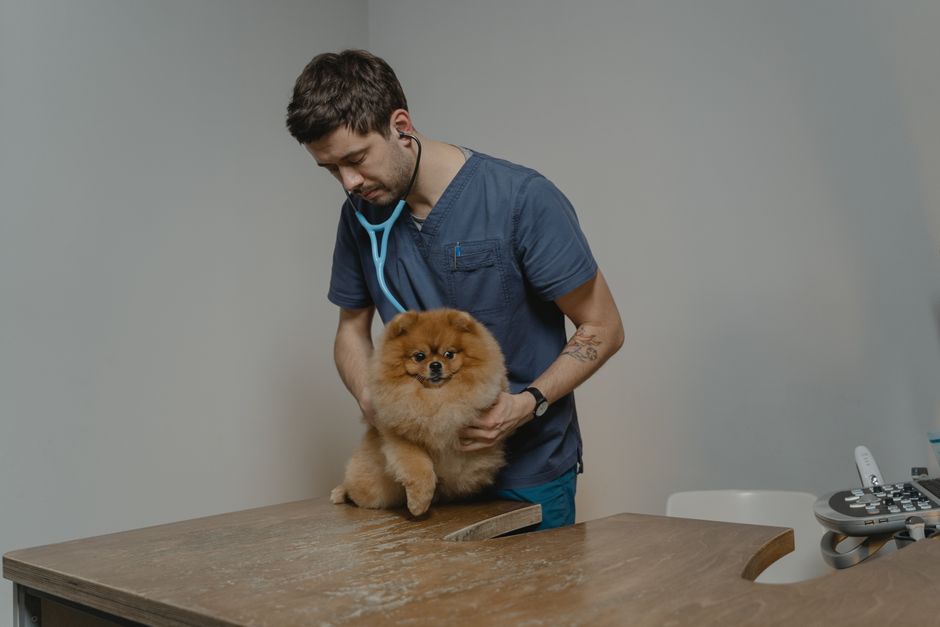
When you bring your dog or cat to Marysville Veterinary for allergy concerns, our veterinary professionals begin with a thorough history and physical examination. We discuss your pet’s symptoms, environment, and any recent changes that could be contributing to their discomfort. Diagnostic tests may be recommended, such as skin scrapes, cytology, or allergy testing, to rule out other conditions and pinpoint the exact cause of your pet’s symptoms.
Treatment options involve a combination of approaches tailored to your pet’s specific needs. These may include antihistamines, prescription allergy medications, medicated shampoos, and topical therapies to soothe irritated skin. For pets with chronic or severe allergies, immunotherapy or allergy desensitization may be appropriate. Managing secondary infections, such as bacterial or yeast overgrowth, is also a key part of treatment. In cases of flea allergy dermatitis, strict flea control using veterinarian-approved products is essential to prevent flare-ups.
If you are interested in learning more about how we help manage allergies in dogs and cats, our allergy care page offers additional information about our approach and the services we provide.
Home Care and Prevention: Helping Your Pet Enjoy a Comfortable Summer
While professional veterinary care is vital, there are several steps pet owners can take at home to reduce allergy flare-ups and keep pets comfortable during the summer months. Regular bathing with hypoallergenic or medicated shampoos can help wash away allergens that stick to your pet’s coat and skin. Wiping your dog’s paws and belly after walks, or brushing your cat more frequently, minimizes the amount of pollen they bring inside. Keeping your home clean by vacuuming carpets and washing bedding helps reduce indoor allergens like dust and mold.
For flea prevention, use veterinarian-recommended flea control year-round, as even a single bite can trigger intense reactions in allergic pets. Monitor your pet’s skin and ears for early signs of irritation, as prompt attention can prevent minor issues from becoming more serious. If your pet has known allergies, try to limit outdoor time during high pollen counts, which are often highest in the morning and on windy days.
Diet can also play a role in managing allergies; some pets benefit from hypoallergenic or limited-ingredient diets, especially if food sensitivities are suspected. Always consult with our veterinary team before making significant changes to your pet’s food, as proper diagnosis and monitoring are essential for your pet’s health.
When to Schedule a Veterinary Visit for Allergies
It is important to know when home care is not enough and your pet needs professional help. If your dog or cat is scratching so much that they are developing sores, experiencing hair loss, or seems uncomfortable despite your best efforts, it is time to contact our veterinary team. Other warning signs include chronic ear infections, persistent sneezing or coughing, changes in appetite, lethargy, or open wounds that do not heal. Pets with severe allergies can develop secondary infections or even experience systemic reactions that require immediate attention.
Our experienced veterinarians at Marysville Veterinary encourage you to schedule an appointment if you have any concerns about your pet’s skin, coat, or overall comfort. Early intervention leads to better outcomes and less stress for both you and your pet. If you are unsure whether your pet’s symptoms are due to allergies or another condition, our veterinary professionals can perform a comprehensive evaluation and recommend the best course of action. You can find more guidance on managing allergy symptoms and when to seek help on our allergy care information page.
Supporting Your Pet Through Allergy Season in Marysville
Summer should be a time of adventure and relaxation for both you and your pet, not a season spent battling itchy skin or constant sneezing. By staying alert to the signs of allergies, understanding what causes them, and taking proactive steps at home, you can help your dog or cat enjoy the best of summer in Marysville and nearby communities. Our veterinary team at Marysville Veterinary, 4010 136th St NE, Marysville, WA 98271, is dedicated to providing comprehensive care for your four-legged family members. We are here to support you with preventive care, advanced diagnostics, and effective allergy treatments tailored to your pet’s unique needs.
If you are searching for a "vet near me" who understands the unique challenges of summer allergies in our region, look no further. Schedule an appointment with our experienced veterinarians by calling (360) 659-7334. Together, we can help your pet enjoy a comfortable, itch-free summer. For more details about our approach to managing allergies in dogs and cats, visit our allergy care services page. If you have questions or need advice, our caring veterinary professionals are just a phone call away.