How to Keep Your Pet Healthy During Rainy Season

How to Keep Your Pet Healthy During Rainy Season
Rainy days are a familiar part of life in Marysville, and as November settles in, many pet owners find themselves wondering how the wet weather might affect their dog’s or cat’s health. The damp, chilly conditions bring more than soggy walks and muddy paws; they can also increase the risk of certain seasonal illnesses, aggravate allergies, and make it harder to keep your pet active. At Marysville Veterinary, our team of veterinarians is dedicated to helping you navigate these challenges with confidence, offering preventive care and practical solutions for pets throughout Marysville and surrounding communities. In this guide, we’ll explore common rainy season health concerns, offer tips to protect your pet’s paws and coat, and share creative ideas for indoor exercise. You’ll also discover how our veterinary professionals can support your pet’s well-being year-round at our 4010 136th St NE, Marysville, WA 98271.
Recognizing Rainy Season Risks for Dogs and Cats
Many pet owners notice changes in their dog or cat’s behavior and health during the rainy months. Symptoms to watch for include increased itching or scratching, redness between the toes, sneezing or watery eyes, and muddy or irritated paws after outdoor walks. Additionally, some pets may seem less energetic or reluctant to go outside, which can make it harder to keep up with their usual exercise routine. In severe cases, you might see signs of skin infection such as oozing, foul odor, or hair loss, especially in areas that stay damp. Recognizing these warning signs early helps you take action before a minor issue develops into a larger health concern.
Why Wet Weather Brings Health Challenges
The Pacific Northwest’s rainy climate creates an ideal environment for a variety of pet health issues. Dampness underfoot can soften paw pads, making them more susceptible to injuries, fungal infections, and irritation from road salts or yard chemicals. Prolonged moisture also encourages the growth of bacteria and yeast on your pet’s skin, especially in dogs with heavy coats, floppy ears, or skin folds. For cats, wet fur can lead to matting and discomfort, particularly for those who like to explore outdoors. Additionally, rainy weather often means more time spent indoors, which can lead to boredom, weight gain, or even destructive behaviors if your pet isn’t mentally and physically stimulated. Seasonal allergies can also flare up as mold spores and other irritants increase in humid conditions. The veterinary team at Marysville Veterinary sees these issues frequently during the fall and winter months, and we are always ready to help you prevent, recognize, and manage them.
How Our Veterinary Team Treats and Manages Rainy Season Illnesses
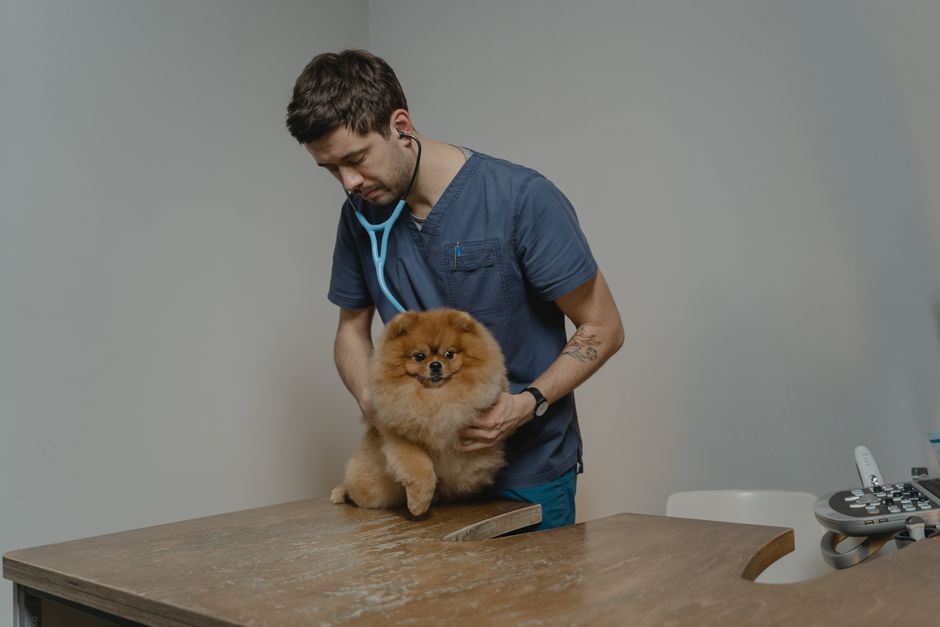
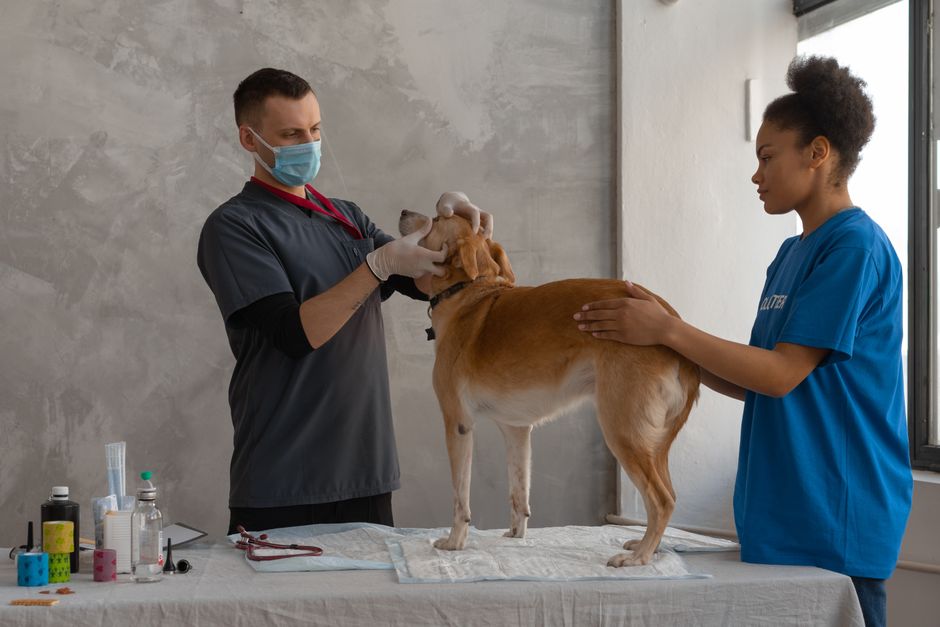
When your pet develops skin irritation, persistent itching, or symptoms of infection during the rainy season, timely veterinary care is essential. Our veterinarians begin with a thorough examination to identify the underlying cause, whether it’s a minor allergy, a developing infection, or something more serious. For skin and paw problems, treatment may involve topical ointments, medicated shampoos, or oral medications to control infection and relieve discomfort. If allergies are suspected, our allergy care services include diagnostic testing and customized management plans tailored to your pet’s specific triggers. Pets with frequent outdoor exposure may also benefit from our flea and tick control services, since parasites can be more challenging to manage in wet weather. For pets experiencing pain or limping, our team can assess for injuries, recommend safe exercise options, and provide supportive care. Throughout the treatment process, we prioritize gentle handling and clear communication, ensuring you understand every step.
Preventing Rainy Season Problems at Home
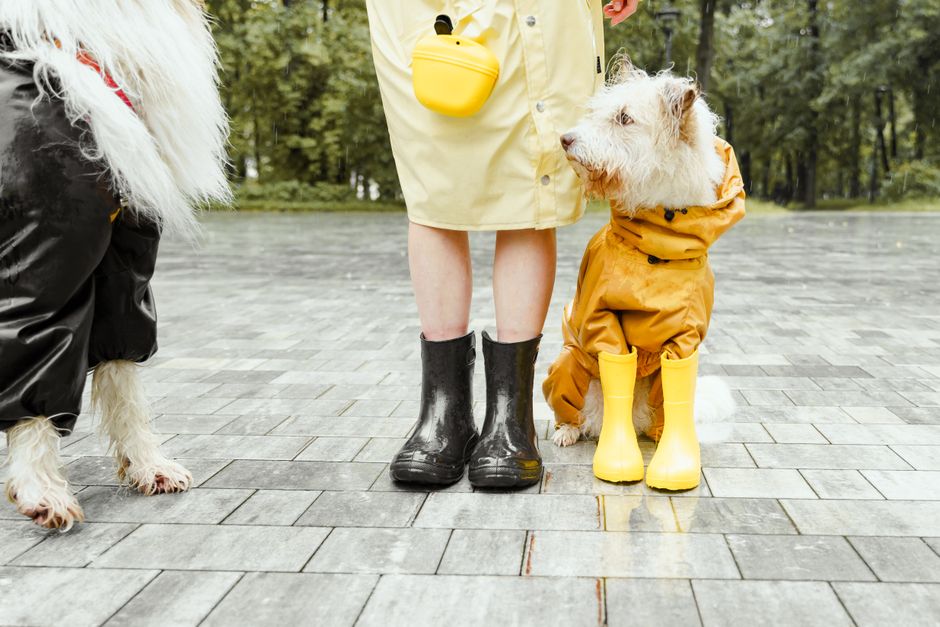
There is much you can do at home to keep your pet healthy during the wettest months. After walks, gently wipe your dog’s paws and belly with a soft towel to remove moisture, mud, and potential irritants. For cats that venture outdoors, consider keeping a clean, dry towel by the door to dry their coats when they return inside. Regularly check between your pet’s toes for redness or debris, and trim fur if necessary to reduce mud build-up. Scheduling pet nail trims helps prevent overgrown nails, which are more likely to split or snag on slippery surfaces. Use pet-safe paw balm to protect against road salts and prevent cracking.
For indoor activity, try rotating toys, practicing obedience commands, or setting up short indoor play sessions to keep your pet engaged and active. Puzzle feeders, treat-dispensing toys, and interactive games can help provide mental stimulation when outdoor play is limited. If your pet is prone to allergies or sensitive skin, keep bedding clean and dry, vacuum frequently, and watch for signs of increased itching or licking.
Don’t forget about preventive health maintenance. Staying up to date with wellness examinations and pet immunizations helps protect your dog or cat from infectious illnesses that can circulate more easily when pets are in closer quarters during the rainy season.
When to Schedule a Veterinary Visit
While minor paw stains and a little indoor restlessness are common during rainy weather, certain problems require prompt attention from your veterinarian. It’s time to schedule an appointment if you notice persistent limping, sores that don’t heal, severe itching that disrupts your pet’s sleep, or any signs of infection such as pus, swelling, or a foul odor. Sudden behavioral changes, refusal to eat, or difficulty breathing also warrant immediate care. For pets with chronic health conditions, seasonal changes can sometimes trigger flare-ups, so don’t hesitate to reach out for advice if you see new or worsening symptoms.
At Marysville Veterinary, our veterinary professionals are here to provide expert guidance and treatment for all of your rainy season concerns. We welcome questions about your dog or cat’s health and can help you decide when a visit is necessary. Preventive care is always our top priority, and we encourage you to keep in touch with our team for support throughout the year.
Supporting Your Pet’s Health Year-Round in Marysville
Keeping your pet healthy during rainy season is all about prevention, awareness, and timely veterinary care. By recognizing early warning signs, maintaining a clean and dry environment, and scheduling regular checkups, you can help your dog or cat thrive, no matter how wet the weather gets. Our veterinarians at Marysville Veterinary are proud to serve pet owners in Marysville and surrounding communities, offering compassionate care and practical advice for every season.
If you have questions about rainy season pet health, or if you’re searching for a "vet near me" you can trust, we invite you to schedule an appointment with our experienced team. Call us at (360) 659-7334, or visit our 4010 136th St NE, Marysville, WA 98271 location to learn more about our services. Whether your pet needs a wellness examination, allergy care, or help staying active indoors, Marysville Veterinary is here to help you keep your pet healthy and happy, rain or shine.