How to Help Pets With Allergies This Spring in Marysville

How to Help Pets With Allergies This Spring in Marysville
Spring in Marysville is a beautiful time, with blooming flowers and warmer days inviting everyone outdoors. However, for many pets, the arrival of spring can also bring a surge of uncomfortable allergy symptoms. If you have noticed your dog or cat scratching more than usual, licking their paws, or sneezing, you are not alone. Seasonal allergies are common in both cats and dogs, and the unique climate of Marysville and surrounding communities can trigger symptoms that make pets miserable. At Marysville Veterinary, located at 4010 136th St NE, Marysville, WA 98271, our experienced veterinary team is here to help you recognize, manage, and prevent spring allergies in your furry family members. In this post, we will discuss how to spot the signs of allergies, the most common causes in our region, what you can do at home, and when it is time to schedule an appointment with our veterinarians. We will also explain how professional allergy care at Marysville Veterinary can make a real difference for your pet’s comfort and wellbeing.
Recognizing Allergy Symptoms in Your Pet
Spring allergies in pets can appear in a variety of ways, and the signs may differ between cats and dogs. Key symptoms include persistent scratching, licking, or chewing at the skin, especially on the paws, belly, or ears. You may also notice red, inflamed skin, hair loss, or scabs developing in areas your pet cannot seem to leave alone. In some cases, pets will shake their heads excessively or develop unpleasant odors from their ears, which can signal a secondary ear infection triggered by allergies.
Respiratory symptoms are less common in pets than in people, but sneezing, runny eyes, or coughing can occasionally occur, especially in cats. Other signs to watch for are increased paw licking after outdoor walks, frequent rubbing of the face against furniture or carpets, or changes in behavior such as restlessness or irritability. These symptoms often worsen during peak pollen times, particularly after a dry, windy day or when certain plants are in bloom.
If you notice any of these changes in your pet’s appearance or behavior, it is important to track when the symptoms began and whether they seem to be getting worse. This information can help our veterinary team at Marysville Veterinary pinpoint the cause and develop a tailored treatment plan for your pet.
Why Do Pets Get Allergies in Spring? Understanding the Causes
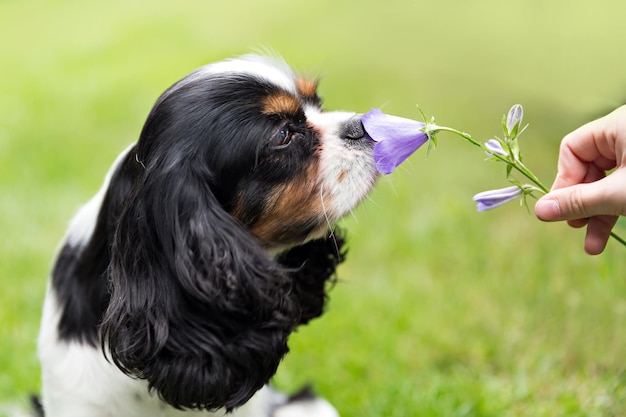
Just like people, pets can develop allergies to environmental substances that are more prevalent in spring. In Marysville and throughout the Pacific Northwest, tree pollens, grass pollens, and mold spores are common triggers. The moist climate and lush vegetation in our region mean that pollen counts and mold growth can be especially high during the rainy season and as temperatures rise.
Allergies occur when a pet’s immune system reacts to a normally harmless substance as though it were a threat. This immune response leads to the release of histamines, which cause itching, inflammation, and discomfort. Some pets are genetically predisposed to allergies, while others may develop sensitivity over time after repeated exposure. Dogs with short coats or those who spend a lot of time outdoors may be more likely to be affected, but even indoor cats can suffer from allergies if pollen and mold are brought inside on shoes or clothing.
Additionally, other factors can worsen allergy symptoms, such as flea bites or food sensitivities. It is not uncommon for pets with environmental allergies to also have underlying skin or ear conditions that become more pronounced during allergy season.
Professional Treatment and Management of Pet Allergies
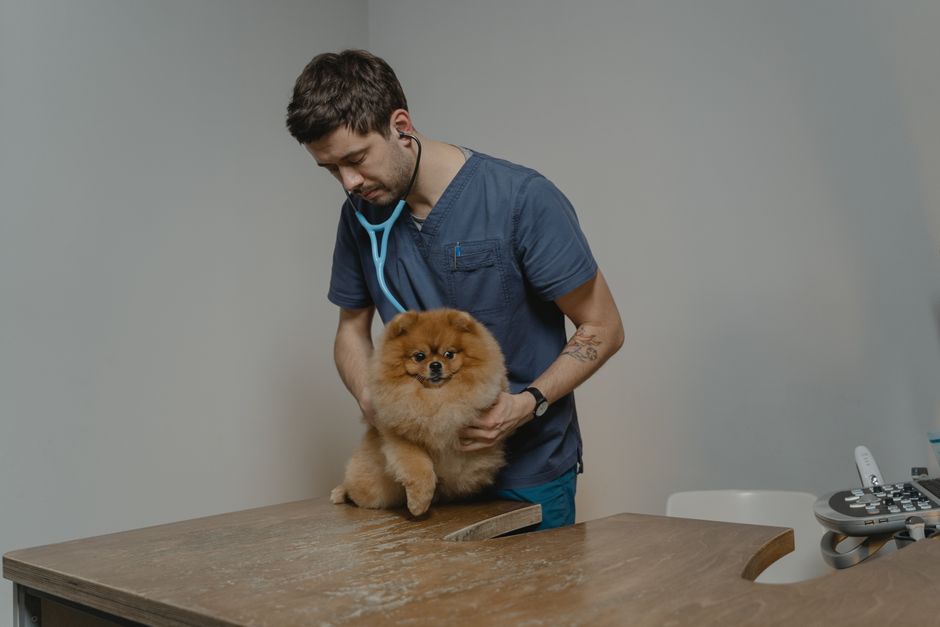
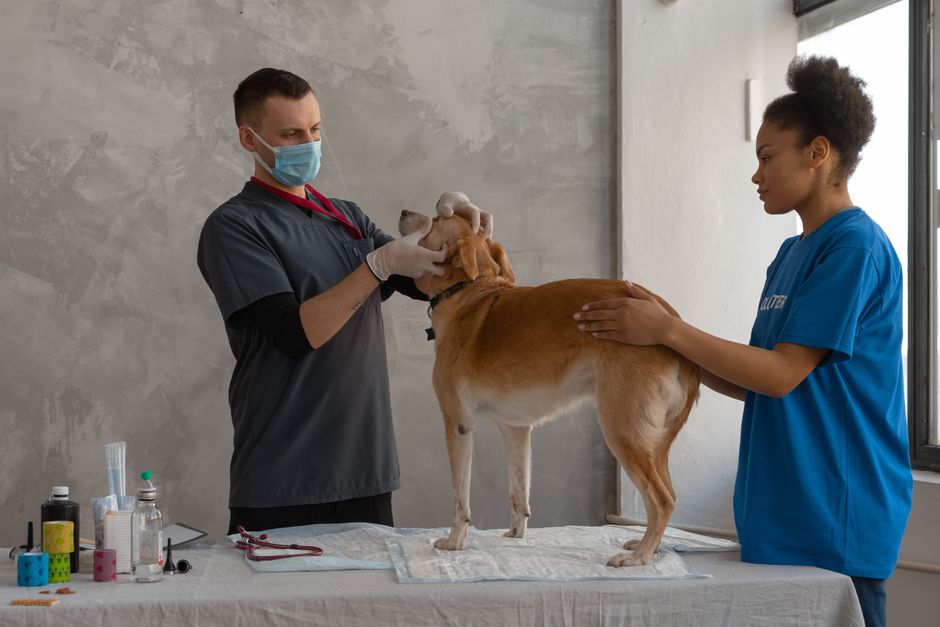
When your pet is struggling with allergies, the right treatment can bring real relief. At Marysville Veterinary, we take a comprehensive approach to diagnosing and managing pet allergies. Our veterinarians will start by gathering a thorough history and performing a physical examination to identify the likely triggers and assess the severity of your pet’s symptoms.
Diagnostic steps may involve skin scrapings, cytology, or allergy testing, especially if symptoms are severe or do not respond to initial treatments. For many pets, management begins with topical therapies such as medicated shampoos or sprays that soothe irritated skin and help remove allergens. Oral antihistamines or anti-inflammatory medications may be prescribed to reduce itching and swelling. In more persistent cases, our veterinary professionals may recommend immunotherapy, which involves regular injections or oral drops to help your pet build tolerance to specific allergens.
Addressing secondary infections is also a crucial part of allergy care. Pets who scratch or chew excessively can develop bacterial or yeast infections that require targeted treatment. Ear infections, in particular, can be painful and need prompt veterinary attention. Our team will tailor a plan that may include medicated ear drops and follow-up rechecks to ensure your pet’s ears are healing properly.
If you are interested in learning more about our approach to pet allergies, please visit our allergy care page, where you can find detailed information on how we help pets breathe easier and feel better throughout the year.
Home Care and Prevention: Steps You Can Take
While professional veterinary care is essential for managing allergies, there are important steps you can take at home to support your pet’s comfort. Regular bathing with a gentle, vet-approved shampoo can help remove pollen and other allergens from your pet’s coat and skin. Wiping your dog’s paws and belly with a damp cloth after outdoor walks also reduces the amount of pollen tracked into your home.
Vacuuming carpets and washing your pet’s bedding frequently can further minimize exposure to allergens, especially during peak pollen season. Keeping windows closed on high pollen days and using air purifiers may help sensitive pets breathe easier indoors. Additionally, feeding your pet a balanced diet rich in omega-3 fatty acids may improve skin health and reduce inflammation.
Monitoring for fleas and maintaining a consistent flea prevention program is especially important, since flea bites can exacerbate itchiness and complicate allergy management. If you suspect your pet’s symptoms are related to something in their food, our veterinarians can guide you through a safe elimination diet to identify potential dietary triggers.
Finally, consistent communication with your veterinary team is key. If your pet’s symptoms change, worsen, or do not improve with home care, it is important to schedule a follow-up appointment so our veterinarians can reassess and adjust the treatment plan as needed.
When to Seek Veterinary Care for Pet Allergies
While mild allergy symptoms can sometimes be managed at home, certain signs require prompt professional attention. If your pet is scratching or licking constantly, develops open sores or hair loss, or shows signs of pain or distress, it is time to call our veterinary team. Other warning signs to watch for are ear discharge, foul odors, head shaking, or changes in appetite and energy.
Respiratory symptoms such as persistent coughing, wheezing, or difficulty breathing are less common with allergies but can be serious and deserve immediate evaluation. Additionally, if your pet has a history of severe allergies or previous reactions that required medication, early intervention can prevent complications.
At Marysville Veterinary, our experienced veterinarians are here to provide thorough examinations, advanced diagnostics, and compassionate care tailored to your pet’s unique needs. Addressing allergies early not only relieves discomfort but also helps prevent long-term skin problems and secondary infections that may require more intensive treatment.
If you find yourself searching for a "vet near me" because your pet is struggling with allergy symptoms this spring, our veterinary team is ready to help. We welcome new and returning clients from Marysville and surrounding communities, and we are committed to providing the highest standard of care for your furry family members.
Keeping Your Pet Comfortable This Spring: Contact Marysville Veterinary
As spring unfolds in Marysville, keeping your pet comfortable and healthy is a top priority. Recognizing the symptoms of seasonal allergies, understanding their causes, and knowing when to seek help can make all the difference for your cat or dog’s wellbeing. Our veterinarians are dedicated to supporting you with personalized treatment plans, preventive advice, and ongoing care that addresses every aspect of your pet’s health.
If you have noticed signs of allergies in your pet or simply want to be proactive about their spring health, we encourage you to schedule an appointment at Marysville Veterinary. Our full-service hospital at 4010 136th St NE, Marysville, WA 98271 is equipped to provide comprehensive allergy care, from diagnostics and treatment to ongoing support for pets with chronic conditions. You can reach our friendly team at (360) 659-7334 to book a consultation or ask questions about your pet’s symptoms.
For pet owners looking for a trustworthy "veterinarian near me" in Marysville and surrounding areas, Marysville Veterinary is here to be your partner in every season. Let us help your pet enjoy springtime to the fullest, free from the discomfort of allergies. Your pet’s comfort and happiness are always at the heart of what we do.