May Allergies in Marysville Dogs and Cats: Relief Tips

May Allergies in Marysville Dogs and Cats: Relief Tips
Springtime in Marysville, WA is a beautiful season, but for many dogs and cats, May can bring an uptick in allergy symptoms that leave them feeling miserable. Has your dog been scratching more than usual, or is your cat sneezing and rubbing her face? You're not alone—many pet owners in Marysville and surrounding communities notice that their pets struggle with allergies as the weather shifts to cooler, damp spring conditions. At Marysville Veterinary, we see an increase in allergy-related visits every May as pollen, mold, and other allergens rise in the Pacific Northwest. In this comprehensive guide, our veterinary team will help you recognize allergy symptoms in your pet, understand the unique environmental triggers in our area, explore effective relief strategies, and know when it’s time to schedule an appointment. With the right support, your pet can enjoy a more comfortable, itch-free spring.
Recognizing Allergy Symptoms in Dogs and Cats
May is prime allergy season for both dogs and cats in the Marysville area. While some symptoms may overlap with other health conditions, there are common signs that your pet may be suffering from seasonal allergies. For dogs, symptoms often include frequent scratching, licking or chewing at their paws or body, red or inflamed skin, ear infections, and watery eyes. Cats can show similar signs such as excessive grooming, hair loss, sneezing, runny eyes, and sometimes even small scabs or sores around the head and neck. You might notice your dog rolling on the carpet or your cat grooming the same spot repeatedly. Additionally, some pets may develop respiratory symptoms like coughing or wheezing, although these are less common than skin issues. It’s important to watch for these changes, especially if they seem to worsen as spring progresses.
If you’re unsure whether your pet’s behavior is allergy-related or something more serious, keeping a log of symptoms and their frequency can be helpful when you consult with your veterinarian. Remember, other conditions can mimic allergy symptoms, so a thorough exam is always the best way to get to the root of your pet’s discomfort.
Why Are Pet Allergies Worse in Marysville During May?
Understanding why allergies flare up this time of year helps pet owners take preventative steps. Marysville’s cool, damp spring climate encourages the growth of molds and releases higher amounts of pollen from trees, grasses, and weeds. Our region’s lush greenery, while beautiful, means plenty of airborne allergens. Dogs and cats that spend time outdoors often pick up pollen and mold spores on their fur and paws, bringing them inside the home. Even indoor-only pets are not immune—open windows, tracked-in shoes, and shared ventilation can all expose your pet to environmental allergens.
In addition to pollen and mold, dust mites thrive in our damp climate, and fleas start to emerge as temperatures rise. Flea bites are a common trigger for allergic reactions in pets, leading to intense itching and skin irritation. Genetics also play a role—some breeds are more prone to allergies, and pets with a history of atopy or food sensitivities may react more strongly to spring allergens. By understanding these factors, pet owners can be more vigilant during high-risk months and take proactive steps to minimize their pet’s exposure.
Professional Allergy Relief and Treatment Options
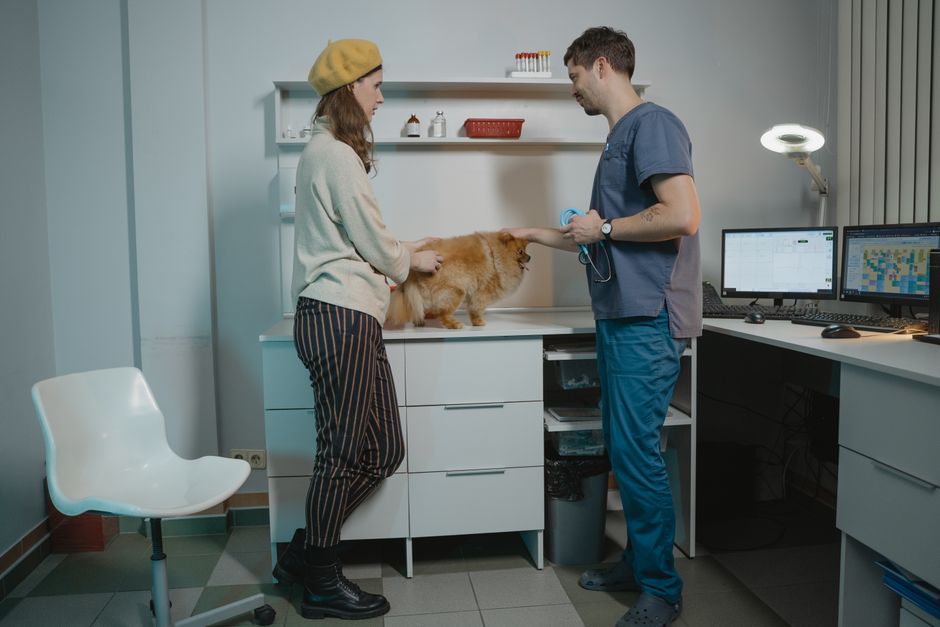
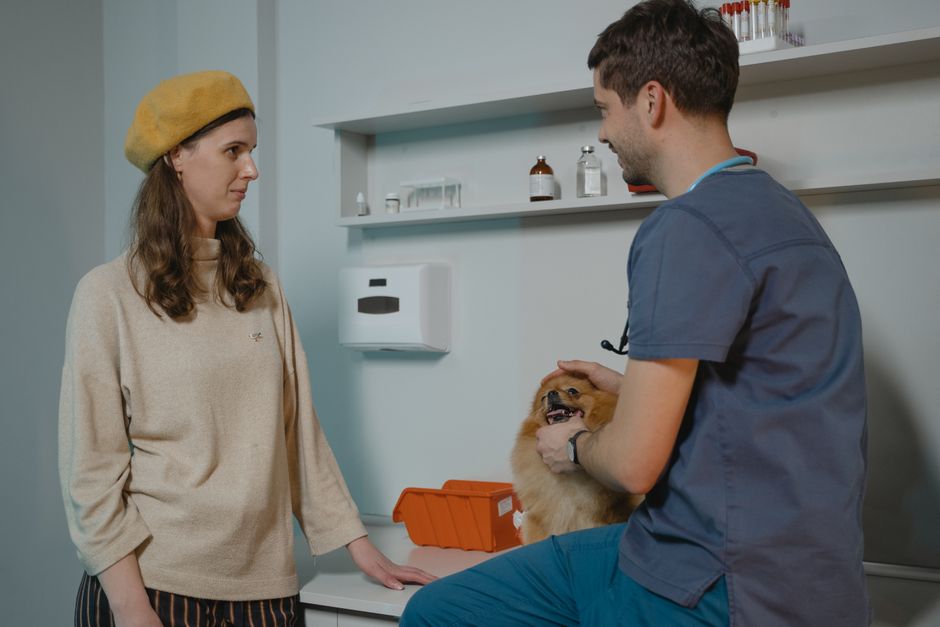
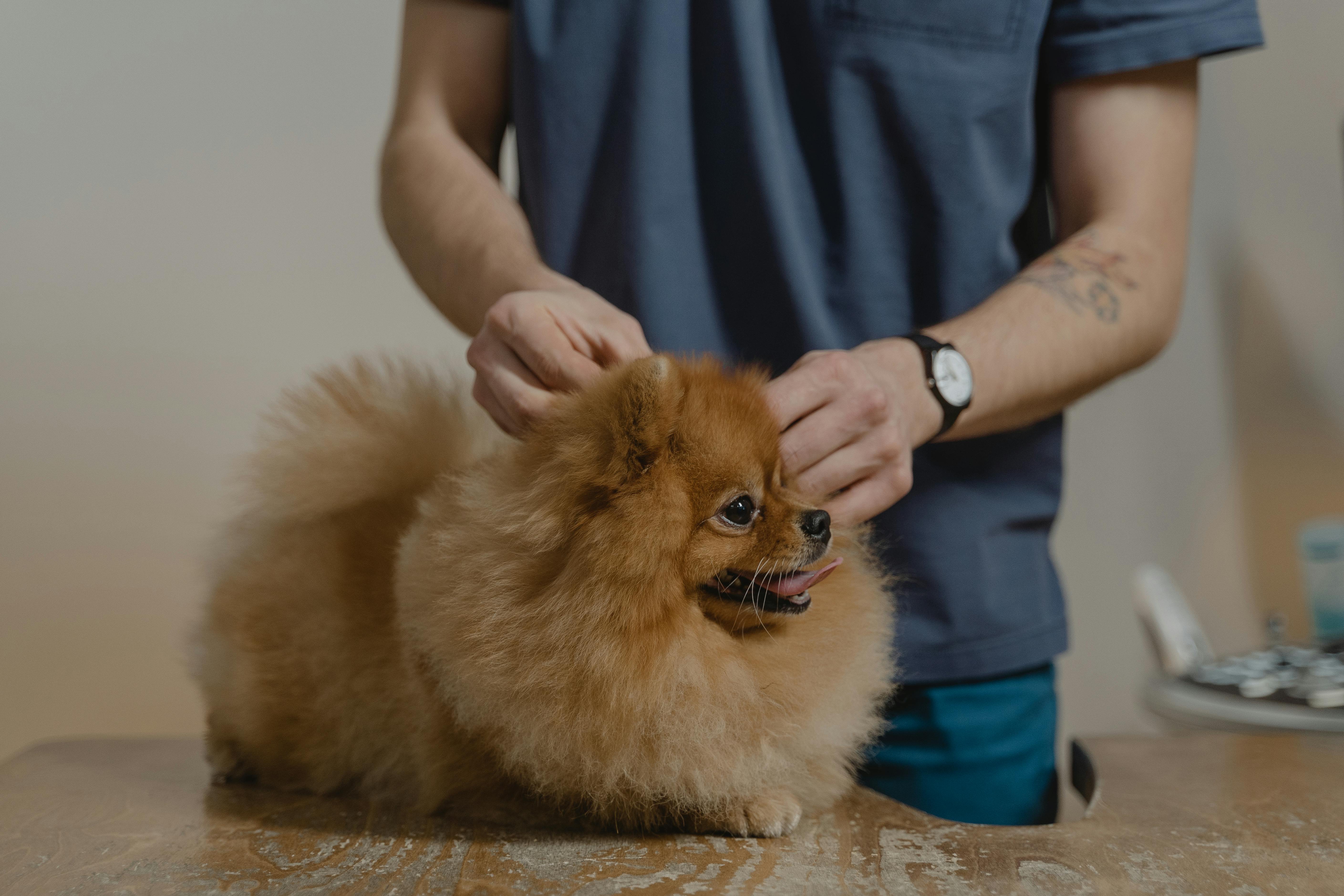
When allergy symptoms become persistent or severe, professional veterinary care is essential. At Marysville Veterinary, our experienced veterinary team begins with a thorough examination to rule out other potential causes and determine the specific allergens affecting your pet. Diagnostic options may include skin scrapings, blood tests, or intradermal allergy testing, depending on your pet’s symptoms and history.
Treatment approaches for pet allergies often involve a combination of therapies. Antihistamines may provide relief for mild cases, while prescription medications such as corticosteroids or immune-modulating drugs can help control more stubborn symptoms. For pets with frequent skin infections or rashes, medicated shampoos and topical treatments are commonly recommended. Our veterinarians may also suggest injectable allergy medications for severe or chronic cases. In some situations, we create desensitization plans (allergy shots) that gradually reduce your pet's reactivity to specific allergens.
For pets suffering from flea allergies, strict flea control is crucial. Our team can recommend effective, safe flea preventatives tailored to your dog or cat’s needs. If you want to learn more about how professional veterinary allergy care can help your pet, visit our page on veterinary allergy care services for dogs and cats.
Home Care and Prevention Tips for Allergy Season
While professional care is often necessary, there are several steps you can take at home to reduce your pet’s exposure to spring allergens and help manage mild symptoms. Regularly wiping your pet’s paws and coat with a damp cloth after outdoor walks can remove pollen and mold spores. Bathing your dog with a gentle, veterinarian-approved shampoo can soothe irritated skin and wash away allergens. For cats, frequent brushing helps remove loose fur and debris, which can decrease allergen load.
Keeping windows closed during high-pollen days, using air purifiers, and vacuuming your home frequently can also reduce airborne allergens. Pet bedding and toys should be washed weekly in hot water to eliminate dust mites and pollen. If your pet suffers from flea allergies, staying consistent with flea prevention is key; our veterinary team can guide you in choosing the right product for your household. Additionally, try to avoid walking your dog in grassy fields or wooded areas during peak pollen times, and consider creating a low-allergen play space in your yard.
Diet plays a supportive role in skin and immune health. Feeding a balanced, high-quality diet and supplementing with omega-3 fatty acids can support your pet’s skin barrier and reduce inflammation. However, always consult with your veterinarian before making changes to your pet’s diet or supplement regimen.
When to Schedule a Veterinary Appointment
Although some allergy symptoms can be managed at home, there are times when professional help is needed to keep your pet comfortable and healthy. Schedule an appointment with our veterinary team if your pet’s itching, licking, or scratching interferes with daily life or leads to open sores, redness, or hair loss. Ear infections, persistent sneezing, difficulty breathing, or sudden changes in behavior are additional signs that veterinary attention is necessary.
If over-the-counter remedies or home care are not providing relief within a few days, or if your pet’s condition worsens, don’t delay in seeking care. Allergies can quickly lead to secondary infections, which require prompt treatment. Our team at Marysville Veterinary is here to provide compassionate, thorough care for your dog or cat, from diagnosis through long-term management. Early intervention can make a significant difference in your pet’s quality of life.
Supporting Your Pet Through Allergy Season in Marysville
Spring allergies can be challenging for both pets and their owners, but with attentive care and support, your dog or cat can enjoy the season more comfortably. Recognizing the signs of allergies, understanding the unique environmental triggers in Marysville, and partnering with a trusted veterinary team are essential steps in managing your pet’s health. Proactive home care, combined with professional allergy treatment, offers the best chance at relief for your furry family member.
If you notice signs of allergies in your pet this May, do not hesitate to reach out to Marysville Veterinary. Our experienced veterinarians are dedicated to providing personalized care tailored to your pet’s needs. Whether you are looking for guidance on prevention, advice on treatment, or a thorough evaluation, we are here to help. For those searching for a veterinarian near me who truly understands local seasonal challenges, our team is ready to serve Marysville and surrounding communities.
To schedule an appointment or speak with our veterinary professionals about your pet’s allergy symptoms, call us at (360) 659-7334 or visit us in person at 4010 136th St NE, Marysville, WA 98271. You can also explore our veterinary allergy care services for dogs and cats page for more information. At Marysville Veterinary, we are committed to helping your pet thrive, no matter the season.