Protecting Your Dog or Cat From Fall Parasites in Marysville


Protecting Your Dog or Cat From Fall Parasites in Marysville
As autumn arrives in Marysville, the crisp air and colorful leaves also bring a surge of parasite activity, especially with our region’s wet October weather. Many pet owners are surprised to learn that fleas, ticks, and other parasites remain active long after summer ends. At Marysville Veterinary, our team understands how quickly these pests can impact your dog or cat’s health and comfort. This blog will guide you through the parasite risks unique to fall in the Pacific Northwest, signs your pet may be affected, how to prevent infestations, and the importance of year-round protection. We’ll also share practical advice on when to seek veterinary care and why our experienced veterinarians recommend ongoing parasite prevention for pets in Marysville and surrounding communities.
If you have questions about your pet’s risk or want tailored recommendations, our veterinary team is always here to help. You can also learn more about our comprehensive flea and tick control services designed to keep your pets safe in every season.
Recognizing Signs of Fall Parasite Problems in Dogs and Cats
Pets can encounter parasites at any time of year, but the damp, mild conditions of a Marysville autumn mean that fleas, ticks, and even intestinal parasites can thrive well into October and beyond. Recognizing early warning signs of infestation can make a significant difference in your pet’s health and comfort.
Key symptoms of flea infestations include persistent scratching, biting, or licking, especially around the tail base, belly, or inner thighs. You may also notice small scabs, hair loss, or black specks (often called “flea dirt”) in your pet’s fur. Ticks can be more difficult to spot, as they attach themselves to your pet’s skin, often in less visible areas like the ears, between the toes, or under the collar. Signs of tick bites may include swelling, redness, or even a visible tick embedded in your pet’s skin.
Intestinal parasites, such as roundworms or hookworms, may present less obvious symptoms. Watch for changes in appetite, weight loss, a dull coat, vomiting, diarrhea, or visible worms in your dog or cat’s stool. Cats in particular may show subtle signs, so it’s important not to overlook any changes in behavior or appearance.
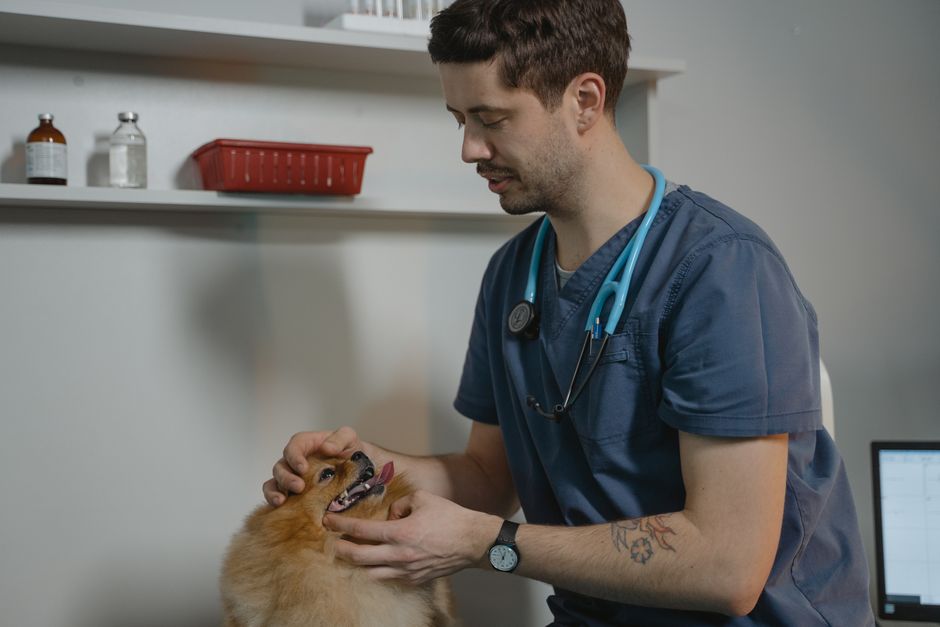
If your pet displays any of these symptoms, it’s a good idea to schedule a wellness examination with our veterinary team. Early detection allows for prompt treatment, reducing the risk of more serious health issues and preventing parasites from spreading to other pets or even people in your household.
Why Are Parasites a Fall Problem in Marysville?
Many pet owners believe summer is the only season to worry about fleas and ticks, but the climate in Marysville and the surrounding Pacific Northwest actually encourages parasites well into fall. Mild temperatures and frequent rainfall create ideal conditions for flea eggs and larvae to develop in yards, parks, and even inside your home. While a single hard freeze can reduce outdoor tick populations, our region often experiences only light frosts, allowing both fleas and ticks to remain active on wildlife and in leaf litter.
Local wildlife, such as raccoons, squirrels, and deer, can carry fleas and ticks into backyards and green spaces. As pets spend time outdoors or interact with other animals, they increase their risk of picking up these parasites. Even indoor pets are not immune; fleas can hitch a ride indoors on shoes, clothing, or other animals.
Intestinal parasites also pose a threat throughout the fall. Moist soil and the presence of wildlife mean that eggs and larvae can survive in the environment, exposing pets who spend any time outdoors. With the start of the school year and more foot traffic through parks and neighborhoods, the chance of parasite transmission may actually increase during autumn months.
Professional Treatment Options for Parasite Control
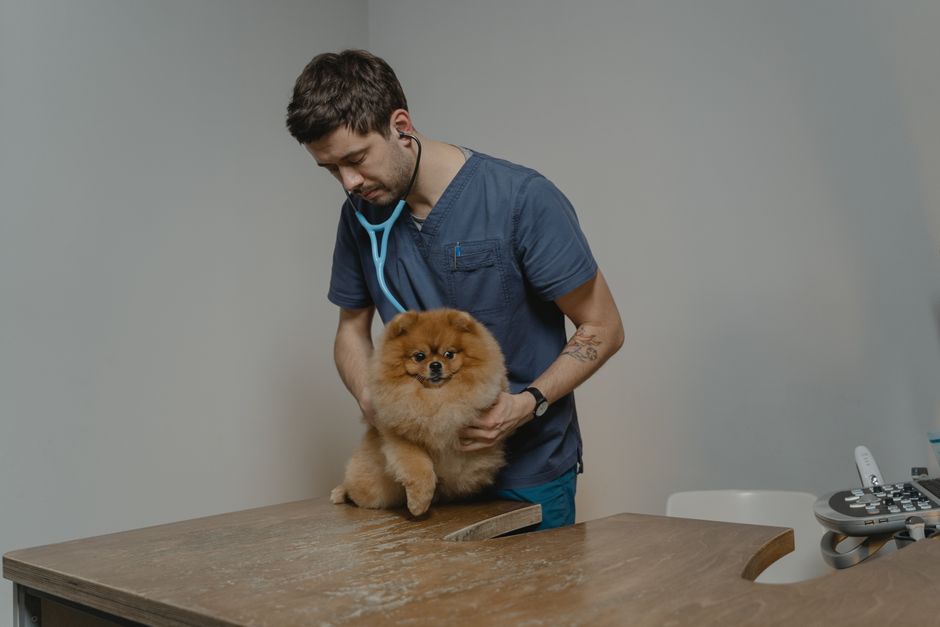
When it comes to treating parasite infestations, prompt action is key. Our veterinarians at Marysville Veterinary begin with a thorough physical exam and, when needed, diagnostic tests to confirm the type and extent of the infestation. For fleas, treatment may involve fast-acting oral or topical medications that kill adult fleas and disrupt the life cycle. In cases of heavy infestation, additional measures like environmental cleaning and treating all pets in the household are recommended to break the cycle.
Ticks are removed safely by our veterinary professionals, who ensure the entire tick is extracted and check for signs of tick-borne illnesses. We may recommend blood tests or additional monitoring if your dog or cat has been exposed to ticks, as some diseases can be transmitted quickly.
Intestinal parasites are addressed with safe, effective deworming medications tailored to the specific type of parasite identified. Your veterinarian may request a fecal sample to confirm the diagnosis and guide the treatment plan. In all cases, follow-up care and ongoing monitoring are important to confirm the problem has been resolved and to prevent reinfection.
For ongoing protection, our team will recommend a customized parasite prevention plan based on your pet’s lifestyle, local risk factors, and any underlying health conditions. Year-round prevention is the gold standard; seasonal gaps can leave your pet vulnerable as parasites remain active throughout much of the year in Marysville.
Preventing Parasites at Home: Year-Round Strategies
Prevention is always easier and safer than treating a full-blown infestation. In Marysville’s damp climate, consistent parasite control is essential for both dogs and cats, whether they’re indoor cuddle buddies or adventurous outdoor explorers.
First, discuss a year-round prevention program with your veterinarian. Modern parasite preventives are safe, effective, and available in a variety of formats, including monthly chewables, topical treatments, and long-lasting collars. Our team can help you choose the best option for your pet’s needs and your family’s lifestyle.
Regularly washing your pet’s bedding and vacuuming carpets, furniture, and floors can help reduce flea eggs and larvae in the home. Outdoor maintenance, such as keeping grass trimmed, clearing leaf litter, and discouraging wildlife from entering your yard, also lowers the risk of exposure.
After outdoor adventures, check your dog or cat for ticks by running your hands thoroughly over their body, paying close attention to hidden spots like ears, under collars, and between toes. Removing ticks promptly reduces the risk of disease transmission.
Discussing routine wellness examinations with your veterinarian is another critical step. During these visits, we can screen for early signs of parasite problems and adjust your prevention plan as needed. Remember, even indoor pets in Marysville are at risk, so don’t be tempted to skip prevention during the cooler months.
When Should You Seek Veterinary Care for Parasites?
Sometimes home prevention just isn’t enough, especially if you notice signs of infestation or your pet seems unwell. If your dog or cat is scratching persistently, losing hair, developing scabs, or if you see live fleas, ticks, or worms, it’s time to contact your veterinarian. Additional warning signs include sudden lethargy, changes in appetite, vomiting, diarrhea, or unexplained weight loss. These symptoms can signal a more serious underlying problem or a heavy parasite burden that requires prompt medical attention.
We always encourage pet owners to err on the side of caution. The earlier our veterinary team can diagnose and treat parasite problems, the better the outcome for your pet’s health and comfort. If you have questions about preventive products, are unsure if your pet is protected, or notice any changes in their behavior, don’t hesitate to schedule an appointment.
The Importance of Ongoing Prevention for Dogs and Cats in Marysville
Protecting dogs and cats from parasites is a year-round responsibility, especially in the wet, temperate climate of Marysville and its surrounding communities. Fleas, ticks, and intestinal parasites can cause discomfort, illness, and even transmit diseases to both pets and people. With the support of our experienced veterinary team, you can keep your furry family members healthy, happy, and itch-free no matter the season.
If you’re searching for a veterinarian near me who understands local risks and offers comprehensive parasite protection, Marysville Veterinary is here for you. To schedule a wellness visit, discuss prevention options, or address a parasite concern, contact us at (360) 659-7334 or stop by our conveniently located clinic at 4010 136th St NE, Marysville, WA 98271. Our dedicated team of veterinarians is committed to providing the highest standard of care for your pet.
For more information on keeping your pets protected, explore our flea and tick control services or schedule a wellness examination today. Your dog or cat deserves to enjoy every season safely and comfortably — let us help you make that possible.