May Pet Wellness Tips for Dogs and Cats in Marysville

May Pet Wellness Tips for Dogs and Cats in Marysville
As the days grow longer and the Pacific Northwest air fills with the promise of spring, many pet owners in Marysville and surrounding communities find themselves wondering how best to support their dogs’ and cats’ wellbeing. May brings fresh opportunities for outdoor adventures, but it also introduces unique wellness challenges for your furry companions. At Marysville Veterinary, our team of veterinarians understands how changes in weather, local allergens, and increased parasite activity can impact your pet's health. This blog covers essential May pet wellness tips tailored for our local climate, including grooming strategies, parasite prevention, and seasonal safety advice. Whether you’re planning hikes with your dog or helping your cat adjust to open windows and new scents, we’re here to help you keep your pet healthy and happy. If you have questions about your pet’s health or need a comprehensive pet exam, our team welcomes you to schedule an appointment at our conveniently located hospital at 4010 136th St NE, Marysville, WA 98271.
Recognizing Seasonal Concerns for Dogs and Cats in Marysville
Understanding the signs of seasonal changes affecting your pet is the first step toward proactive care. As temperatures rise and humidity increases, dogs and cats are exposed to new environmental risks. Common issues seen in May include increased shedding, itching or skin irritation, and the presence of external parasites such as fleas and ticks. Sneezing, watery eyes, and excessive licking may indicate airborne allergies, which are especially prevalent in the spring due to pollen and blooming flowers. Additionally, pets who spend more time outdoors may be at greater risk for accidental injuries, exposure to toxic plants, and sunburn—especially in light-colored or thin-coated animals. If your pet is scratching more than usual, developing hotspots, or you notice any sudden changes in energy or appetite, these are important signs to watch for as the season shifts.
Why May Brings Unique Wellness Challenges
Springtime in Marysville is beautiful, but it presents specific health challenges for dogs and cats. The combination of increased rainfall and mild temperatures creates ideal conditions for flea and tick populations to thrive. As pets shed their winter coats, they may experience matting or skin irritation if not groomed regularly. Seasonal allergies become more noticeable as local grasses, trees, and flowers release pollen, leading to itchy skin and respiratory symptoms in sensitive pets. Outdoor pets may encounter more wildlife, which can increase the risk of parasite transmission or injuries. Additionally, families who garden or use lawn treatments in May should be aware that some fertilizers, pesticides, and mulches can be toxic to curious pets. Understanding the reasons behind these seasonal risks helps you make informed decisions about your pet’s care and environment.
Shedding and Grooming
May marks a period of heavy shedding for many dogs and cats, as they lose their winter coats. Without routine grooming, loose hair can accumulate and lead to mats, which may trap moisture and become painful or even infected. Regular brushing during this time not only keeps your home cleaner but also helps you spot any skin problems early.
Allergies and Sensitivities
Many pets develop seasonal allergies to pollen, grasses, and molds common in the Marysville area. Symptoms of allergies can include persistent scratching, licking at paws, red or inflamed skin, and sneezing. These signs may develop suddenly as pollen counts rise and can be mistaken for other issues, so monitoring your pet’s behavior is important.
Parasite Activity
The return of warmer weather means fleas and ticks become more active. These parasites not only cause discomfort but can also transmit serious diseases. Flea infestations can lead to dermatitis and anemia, while ticks are known for spreading Lyme disease and other infections. Even indoor pets are at risk, as fleas and ticks can hitch a ride on shoes, clothing, or other animals.
Professional Treatment and Preventive Strategies for May Wellness
Partnering with your veterinarian is the best way to keep your pet healthy through seasonal transitions. At Marysville Veterinary, we offer a full range of preventive and therapeutic services designed for spring wellness.
Comprehensive Exams and Allergy Care
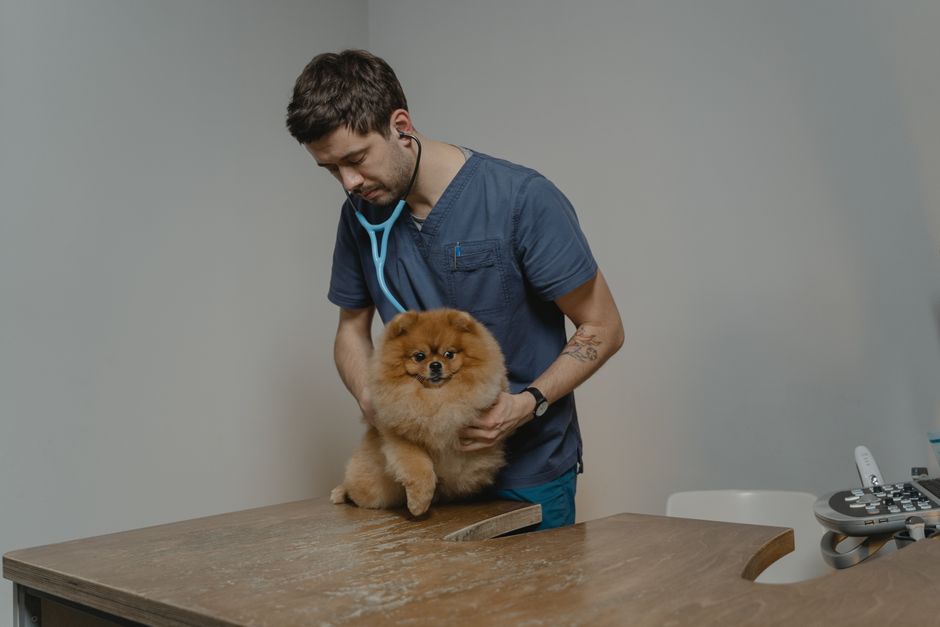
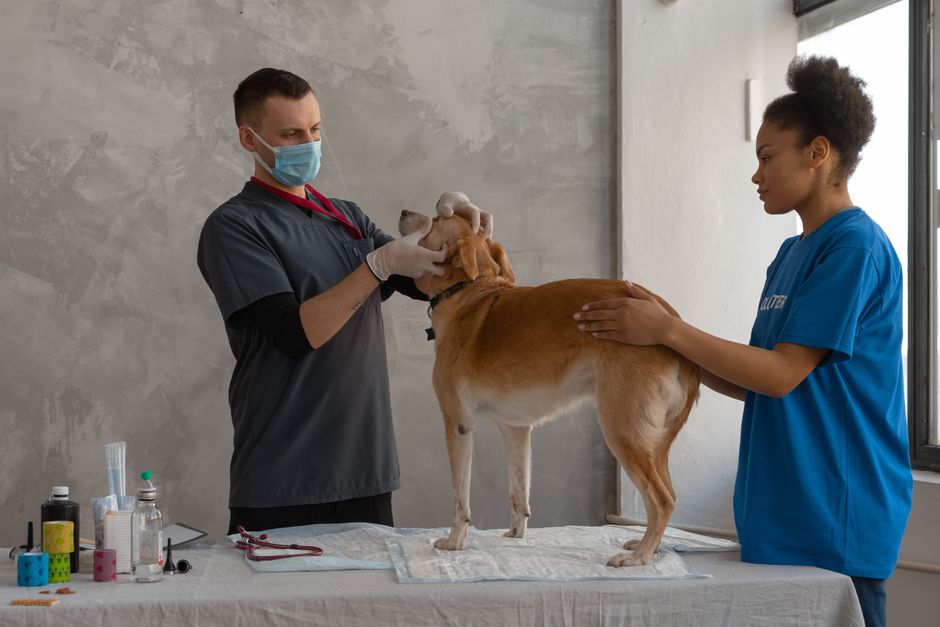
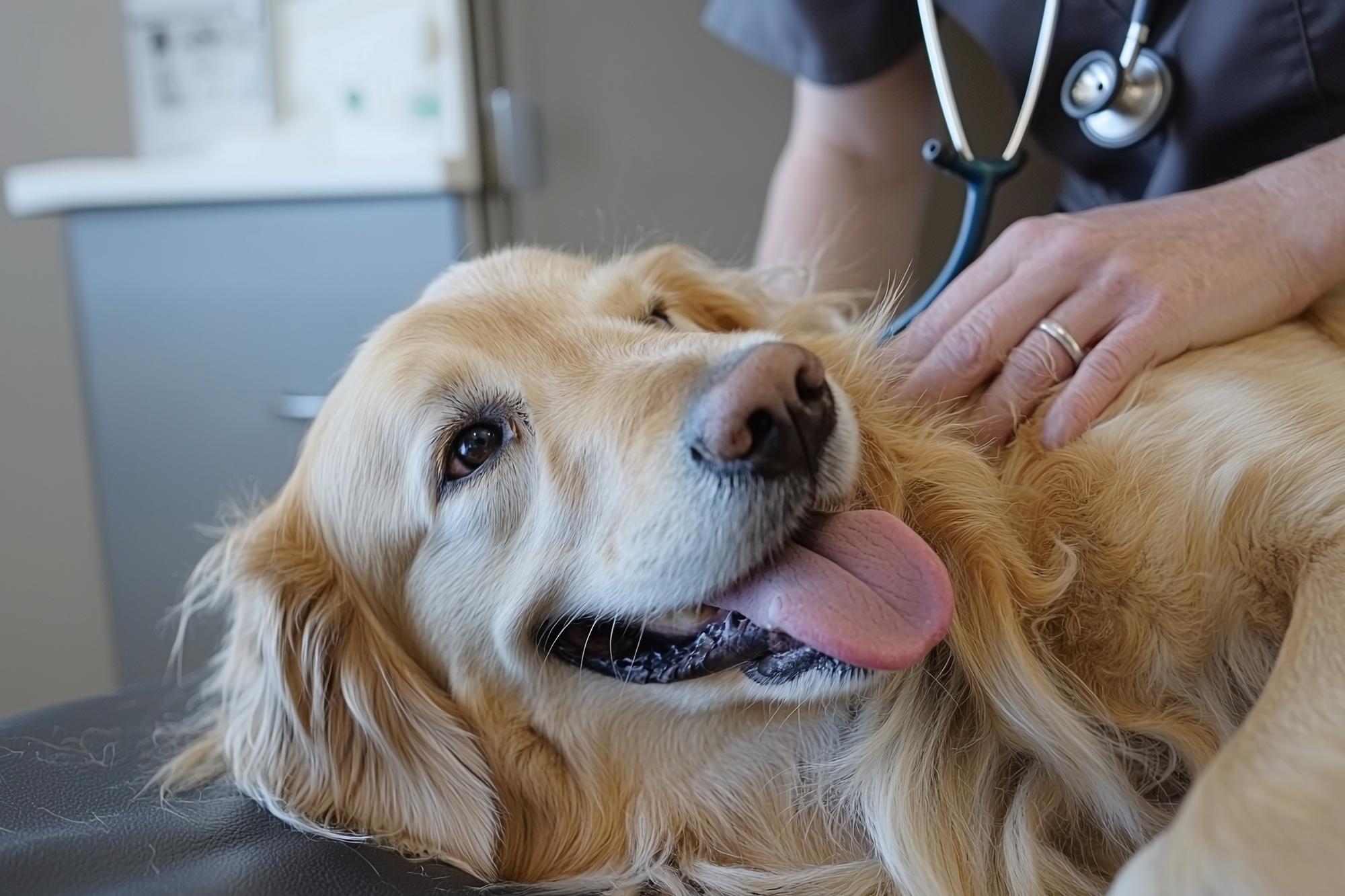
A spring wellness exam provides a thorough evaluation of your pet’s health, including checks for skin issues, early signs of allergies, and overall body condition. If you notice your dog or cat is experiencing allergy symptoms, our allergy care services provide targeted relief. Treatment options for allergies may include antihistamines, prescription medications, medicated shampoos, or dietary adjustments. Our veterinary professionals work closely with you to develop a customized care plan based on your pet’s specific sensitivities and lifestyle.
Flea and Tick Prevention
Routine parasite prevention is essential in May. Our team can recommend safe and effective flea and tick control products tailored for your pet’s age, size, and activity level. Preventive treatments come in the form of topical applications, oral medications, or collars. Consistent use of these products throughout the spring and summer months greatly reduces the risk of parasite infestations and the complications they cause. To learn more about our flea and tick control services for pets, contact our clinic or discuss options during your next appointment.
Grooming and Skin Health
Effective grooming is key to preventing mats and maintaining healthy skin. Our veterinarians can recommend grooming routines and tools suitable for your dog or cat’s coat type. In some cases, professional grooming may be advised, especially for long-haired breeds or pets prone to mats. If you notice any skin lesions, excessive dander, or changes in fur quality, a visit to our clinic can help determine if there is an underlying medical issue.
Pet Dental Care
Spring is also a great time to address your pet’s dental health. Dental disease can worsen with changes in diet or increased outdoor activity, so regular cleanings and at-home dental care are important. Our professional dental care services for dogs and cats keep your pet’s teeth and gums healthy all year long.
Home Care Tips for Springtime Wellness
Supporting your pet’s health at home is just as important as regular veterinary visits. There are several practical steps you can take to help your dog or cat thrive during May.
Grooming at home should include daily brushing to reduce shedding and prevent mats. For dogs that enjoy muddy outdoor play, gentle baths using pet-safe shampoo can help keep their skin clean and free of irritants. For cats, regular brushing is especially helpful during shedding season, and most appreciate the extra attention.
Keep an eye on your pet’s environment by inspecting your yard for potentially toxic plants, chemicals, or sharp objects that could cause injury. Store all gardening supplies, fertilizers, and pesticides in inaccessible locations, and read labels carefully to ensure they are pet-safe. When mowing the lawn or using trimmers, keep pets indoors to avoid contact with clippings or flying debris.
Maintain a consistent parasite prevention routine by giving monthly flea and tick preventives and checking your pet’s fur after outdoor excursions. Pay attention to areas like ears, underarms, and between toes, where ticks often hide.
Allergy management at home includes wiping your pet’s paws and coat after walks to remove pollen, using air purifiers, and washing bedding frequently. For pets with severe allergies, discuss additional management strategies with your veterinarian.
Finally, provide plenty of fresh water and shade for pets who spend time outdoors, and avoid vigorous exercise during the warmest part of the day. Sunburn can affect light-colored or thin-coated pets, so limit sun exposure and consider pet-safe sunscreen for sensitive areas if recommended by your veterinarian.
When to Seek Veterinary Care
While preventive efforts go a long way, some situations require prompt attention from your veterinary team. Contact Marysville Veterinary if your pet displays symptoms such as persistent scratching, hair loss, open sores, or swelling. Additional warning signs include difficulty breathing, sudden lethargy, vomiting, diarrhea, or signs of pain. Any evidence of ticks attached to your pet, or signs of flea infestation such as flea dirt or excessive biting, should prompt a call to our clinic for guidance on the next steps.
If your pet is due for a wellness examination, vaccinations, or a review of their parasite prevention plan, scheduling an appointment in May is an ideal way to keep their care on track. Our team of veterinarians is available to answer questions, provide tailored recommendations, and ensure your pet’s individual needs are met throughout the spring and beyond.
Supporting Your Pet’s Health All Year Long
Caring for your dog or cat in Marysville during May means staying proactive about the unique wellness challenges springtime brings. By recognizing early warning signs, understanding the causes behind seasonal health issues, and partnering with our experienced veterinary professionals, you can help your furry companions enjoy every moment of the season safely. Remember to maintain regular grooming, continue parasite prevention, and monitor for signs of allergies or illness. If you ever need guidance, a vet near me search will lead you to a trusted team right here in Marysville.
For compassionate and comprehensive care, contact Marysville Veterinary at (360) 659-7334 or visit us at 4010 136th St NE, Marysville, WA 98271. Schedule your pet’s next wellness examination, discuss pet immunizations, or ask about our allergy care services for dogs and cats. Our team is committed to helping your pets thrive as the weather warms up—because your pet’s health and happiness are always our top priorities.
This blog is for informational purposes only and does not replace veterinary advice. Always consult with your veterinarian for specific concerns about your pet’s health.