Why Annual Dental Exams Are Vital for Marysville Pets

Why Annual Dental Exams Are Vital for Marysville Pets
As a caring pet owner in Marysville, you want your dog or cat to enjoy a long, healthy, and happy life. Yet one of the most overlooked aspects of pet wellness is oral health. Many families are surprised to learn that dental disease is not just a matter of bad breath; it can cause significant pain, lead to serious infections, and even impact your pet’s heart, kidneys, and other organs. At Marysville Veterinary, located at 4010 136th St NE, Marysville, WA 98271, our veterinarians are passionate about helping Marysville’s dogs and cats live their best lives through comprehensive, preventive care—including annual dental exams.
In this blog, we’ll explore why annual dental checkups are essential for your pet, how to recognize the signs of dental disease, what happens during a professional dental assessment, and why September is the perfect time to schedule a dental cleaning. You’ll also discover how our veterinary team supports the Marysville community and what steps you can take at home to protect your pet’s smile. If you’re wondering whether your pet truly needs a dental exam this year, read on to find out how proactive dental care could make a life-changing difference.
Recognizing the Signs: Does Your Pet Need a Dental Exam?
It’s easy to overlook dental problems in dogs and cats, since most pets are experts at hiding discomfort. Yet oral disease is extremely common; studies show that by age three, most dogs and cats have some degree of periodontal disease. Knowing what to watch for can help you catch problems early and prevent unnecessary pain.
Some of the most common signs that your pet may need a dental exam include persistent bad breath, visible tartar buildup or yellow-brown discoloration on the teeth, and red or bleeding gums. You might also notice your pet dropping food, chewing on one side of the mouth, or showing less interest in dry food. Pets with more advanced dental disease can experience loose or missing teeth, swelling around the mouth or face, and even changes in behavior such as irritability or withdrawal. Cats may show subtle signs like pawing at the mouth, drooling, or grooming less frequently.
If you notice any of these symptoms, or if your pet simply hasn’t had a dental evaluation in the past year, it’s time to schedule a wellness examination with our veterinary team. Even if your pet is not showing obvious discomfort, dental problems can progress quietly, leading to more severe and costly issues down the road.
Why Do Dental Problems Happen? Understanding the Causes
Dental disease in pets develops much as it does in people. Plaque, a sticky film of bacteria, forms on the teeth after eating. If it isn’t removed through regular brushing or professional cleaning, plaque hardens into tartar, which irritates the gums and leads to inflammation known as gingivitis. Over time, this irritation can progress to periodontal disease, where infection and inflammation cause the gums to recede, teeth to loosen, and bone to deteriorate.
Several factors can contribute to dental disease in pets. Small breed dogs and certain cat breeds are especially prone because of crowded teeth and jaw structure. Diet plays a role; pets who primarily eat soft foods or receive a lot of table scraps may have more tartar buildup. Genetics, age, and underlying health issues like diabetes can also influence the speed and severity of dental problems.
The Pacific Northwest’s damp climate can also impact your pet’s oral health. Higher humidity levels encourage bacterial growth, which can accelerate plaque accumulation. With Marysville’s rainy weather, it’s especially important to stay proactive about dental care for your pet.
What Happens During a Professional Dental Exam and Cleaning?
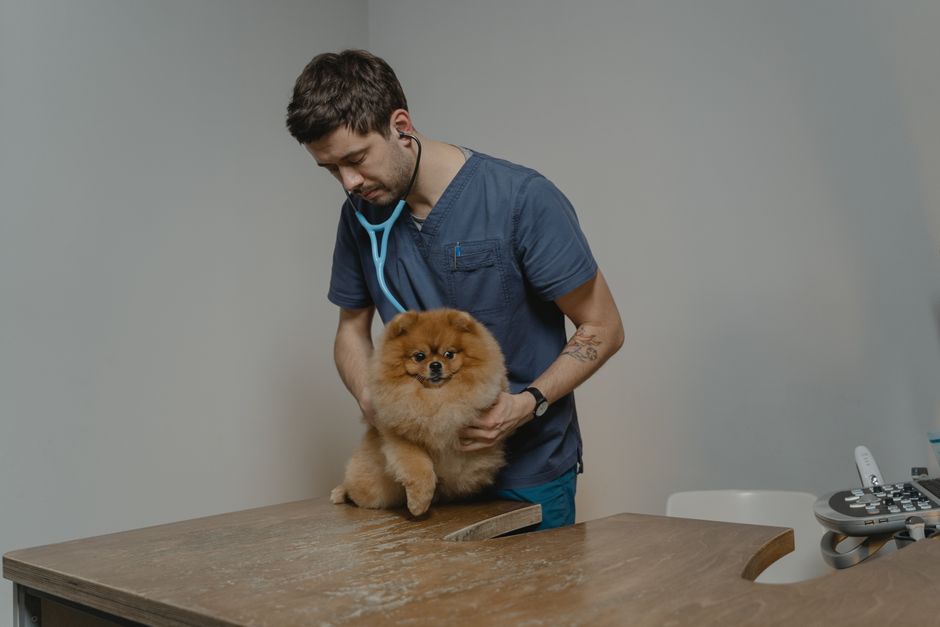
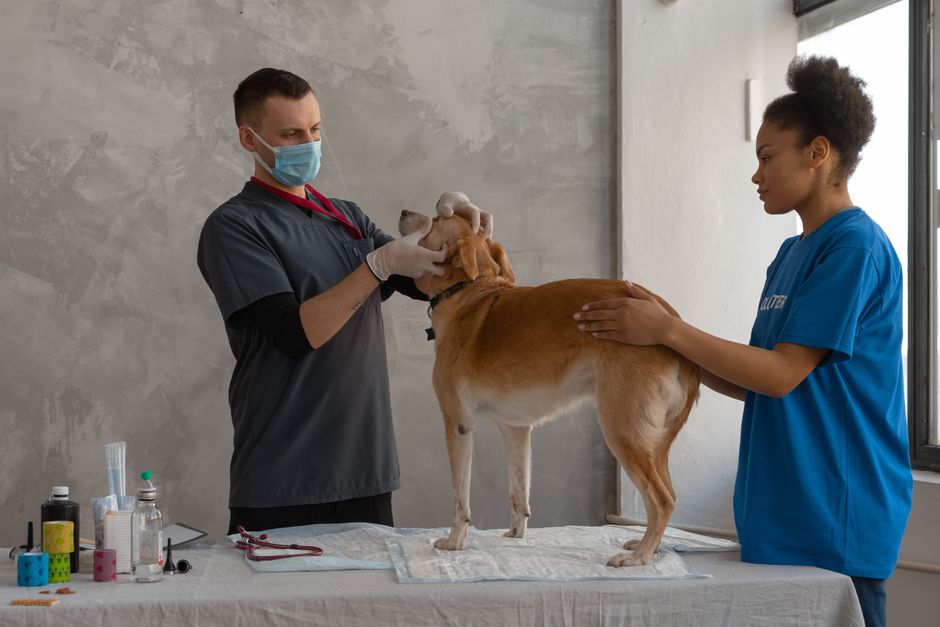
When you bring your pet to Marysville Veterinary for an annual dental exam, our veterinarians perform a thorough oral health assessment as part of a comprehensive pet exam. We carefully inspect your pet’s mouth for tartar, gum inflammation, loose or broken teeth, oral masses, and signs of pain. This hands-on evaluation often reveals issues that aren’t obvious at home.
If a dental cleaning is recommended, the procedure is performed under general anesthesia for your pet’s comfort and safety. This allows our veterinary team to clean above and below the gumline, where most dental disease hides. The process includes removing tartar, polishing the teeth to slow future buildup, and applying fluoride or sealants as needed. Digital dental X-rays may be taken to assess the roots and jawbone, especially if we suspect hidden problems. Any damaged or infected teeth can be safely extracted to relieve pain and prevent the spread of infection.
After the cleaning, your pet wakes up in a warm, comfortable recovery area, and you’ll receive personalized home care instructions. Most pets bounce back quickly, and many owners notice a marked improvement in their dog or cat’s energy, appetite, and breath soon after the procedure.
To learn more about what’s involved in a professional cleaning, visit our page on pet dental care and cleaning services.
Home Care: How You Can Support Your Pet’s Dental Health
While professional dental cleanings are the gold standard for removing tartar and treating disease, home care plays a vital role in preventing problems between visits. Regular tooth brushing is the most effective way to reduce plaque buildup. Many pet owners are surprised at how quickly their dog or cat adapts to daily brushing with a pet-safe toothbrush and enzymatic toothpaste. If brushing isn’t possible, dental chews, special diets, and water additives can help support oral health, although they do not replace professional cleanings.
Monitoring your pet for changes in eating habits, breath, or behavior is also important. Encouraging your dog or cat to play with safe chew toys and offering dental-friendly treats can contribute to healthier teeth and gums. Be cautious about hard bones or antlers, which can fracture teeth.
September is an ideal time for a dental checkup in Marysville. As the rainy season approaches and pets spend more time indoors, it’s a great opportunity to focus on preventive health. Our veterinarians are here to help you develop a personalized dental care routine that fits your pet’s needs and your family’s lifestyle.
When Should You Schedule a Veterinary Dental Exam?
Annual dental exams are recommended for all adult dogs and cats—even if they seem healthy. Puppies and kittens should have their mouths checked at each wellness visit to ensure proper development and catch congenital issues early. Senior pets and those with a history of dental problems may need more frequent assessments.
You should schedule a veterinary dental exam right away if you notice signs of pain, bad breath, bleeding gums, loose teeth, or swelling. Delaying care can result in more extensive disease, higher treatment costs, and unnecessary suffering for your pet. Remember, dental disease won’t resolve on its own; early intervention is key to preventing complications and maintaining your pet’s quality of life.
If you are searching for a "vet near me" to provide expert dental care for your dog or cat, our team at Marysville Veterinary is dedicated to supporting your pet’s health with gentle, effective, and individualized service.
Trust Marysville Veterinary for Your Pet’s Dental Health
Your pet’s smile is more than just a cute feature—it’s a window into their overall wellbeing. By prioritizing annual dental exams, you can help your dog or cat avoid pain, enjoy better health, and stay active for years to come. At Marysville Veterinary, our experienced veterinarians are committed to providing the highest standard of care to pets in Marysville and surrounding communities.
If you’re ready to book your pet’s dental exam, or if you have questions about dental cleaning, call our veterinary team at (360) 659-7334 or schedule a visit at our Marysville location. You can also learn more about our professional pet dental care and cleaning services to see how we can help keep your pet’s mouth healthy and pain-free.
Your pet deserves the very best in preventive care. Let us partner with you to protect their smile and overall health for many years to come.