What To Expect at Your Pet’s Vet Examination

What To Expect at Your Pet’s Vet Examination
Visiting the veterinarian is a crucial part of keeping your dog or cat healthy, but many pet owners in Marysville and surrounding communities wonder what really happens during a routine vet examination. Whether you’re new to Marysville Veterinary or preparing for your pet’s annual checkup, understanding what to expect during your visit can help both you and your pet feel more comfortable. In this guide, we’ll walk you through the typical steps of a comprehensive vet examination, explain why these visits matter, and offer useful tips to make each trip to Marysville Veterinary as smooth as possible. We’ll also share how our experienced veterinary team supports your pet’s lifelong health from nose to tail. If you’re curious about the details of a vet examination or want to ensure your furry companion receives the best possible care here in Marysville, you’re in the right place.
When Does Your Pet Need a Vet Examination?
Routine vet examinations are vital for every dog and cat, regardless of age or breed. Many pet owners find themselves questioning when it’s time to schedule that next appointment. Annual checkups are recommended for most healthy adult pets, while puppies, kittens, senior pets, or animals with chronic health issues may need more frequent visits. Some signs that your pet may need an exam sooner include changes in appetite, unexpected weight loss or gain, increased drinking or urination, persistent coughing or sneezing, difficulty moving, or behavioral changes such as hiding or increased vocalization. Even if your pet seems healthy, subtle issues can develop that may not be obvious at home. Preventive care is the key to catching health problems early, and our team encourages you to bring your questions or concerns—no matter how small they may seem.
What Happens During a Vet Examination?
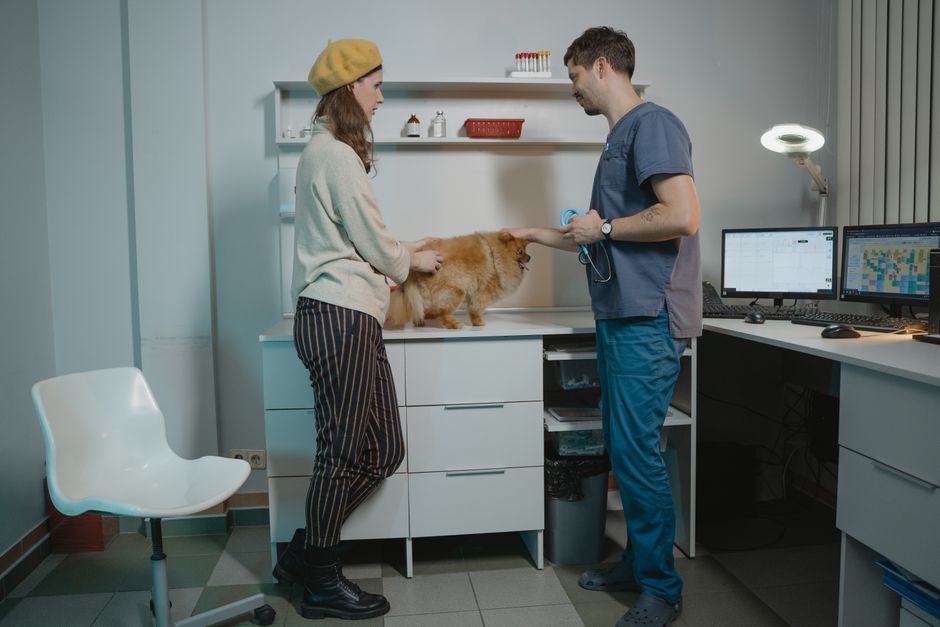
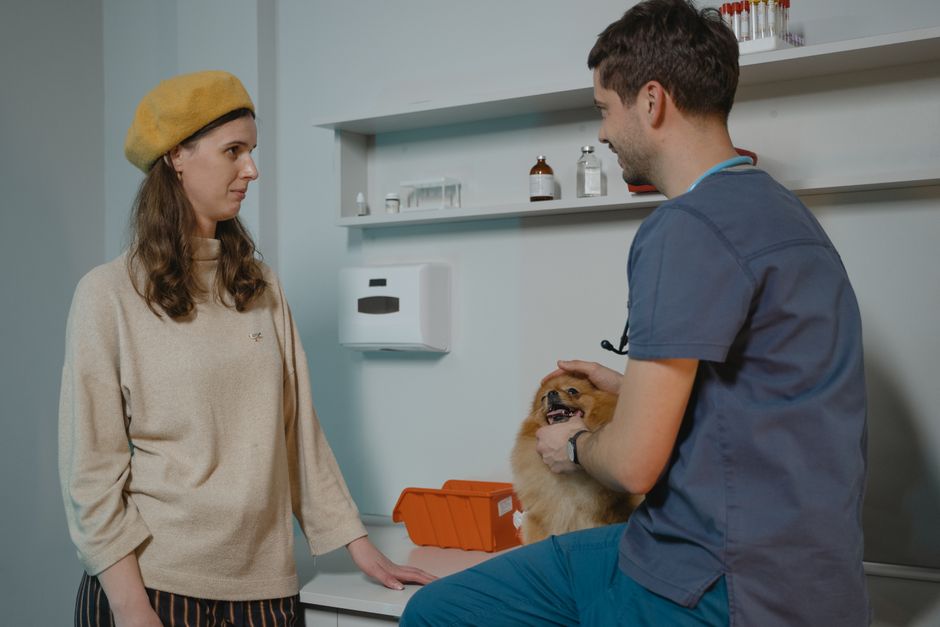
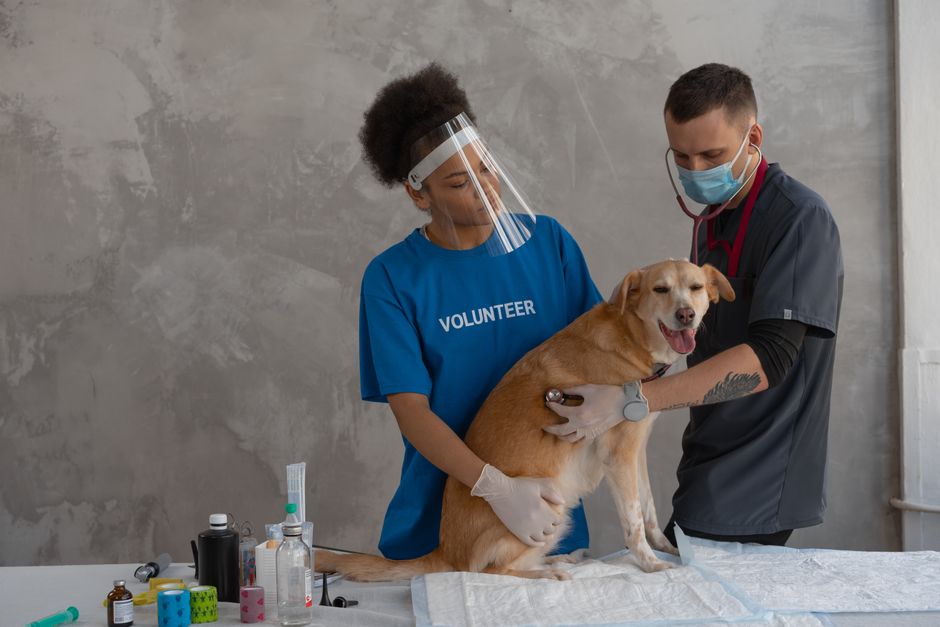
A vet examination at Marysville Veterinary is more than just a quick once-over; it’s a thorough evaluation designed to support your pet’s health at every stage of life. When you bring your dog or cat to our clinic, the visit typically begins with a discussion of your pet’s medical history and any recent changes you’ve noticed. Our veterinarians will ask about diet, activity levels, and any symptoms you’ve observed. The physical exam itself covers your pet from head to tail. This includes checking the eyes, ears, nose, mouth, and teeth for signs of infection or dental disease. The veterinary team will listen to the heart and lungs, feel the abdomen for any abnormalities, evaluate the skin and coat, and assess joints and muscles for pain or stiffness.
If your pet is due for routine screenings, our team may recommend bloodwork, urine testing, or fecal analysis to monitor organ function or check for parasites. For pets needing vaccinations, your veterinarian will discuss the recommended schedule and administer appropriate immunizations based on your pet’s lifestyle and risk factors. If you have concerns about your pet’s teeth or suspect dental issues, you may also be guided toward our professional dental cleaning services to support oral health. Each step of the vet examination is designed to provide a complete picture of your pet’s wellbeing and catch problems before they become serious.
Why Are Regular Vet Examinations So Important?
Many pet owners wonder why routine checkups matter, especially when their pet seems healthy. The reality is that dogs and cats are experts at hiding discomfort and illness, making it difficult to detect problems without a professional evaluation. Regular vet examinations allow our team to identify early warning signs of conditions like dental disease, arthritis, allergies, or internal organ issues. Early detection usually means more effective treatment and a better prognosis. Additionally, preventive care such as vaccination services and parasite prevention can help your pet avoid many common illnesses altogether. For puppies and kittens, exams are essential for tracking growth, development, and socialization; for senior pets, they’re important for monitoring age-related changes and managing chronic conditions. By investing in preventive care, you’re helping your pet enjoy a longer, healthier, and happier life.
Preparing Your Pet for a Stress-Free Vet Visit
A trip to the veterinarian can be stressful for some pets, but a little preparation goes a long way in making the experience positive. For cats and small dogs, getting them used to their carrier at home by leaving it out with soft bedding and treats can reduce anxiety. Before your appointment, give your pet a little extra exercise to help them relax. Bring your pet’s favorite toy or blanket as a source of comfort, and try to remain calm and reassuring yourself, since pets often pick up on their owner’s emotions. If your pet has a history of stress or fear at the clinic, let our veterinary team know in advance; we are experienced in gentle handling and can offer additional strategies for anxious animals. For wellness visits, be sure to bring along any recent health records, a list of medications or supplements, and notes on any changes you’ve noticed in your pet’s behavior or habits. These small steps can make a big difference in creating a smooth, stress-free visit for both you and your beloved companion.
What to Expect After Your Pet’s Vet Examination
After your pet’s vet examination, our veterinary professionals will review the findings with you and discuss any recommendations for follow-up care, treatment, or preventive measures. If your pet received vaccinations, we’ll outline what to expect in terms of side effects and when your pet will be due for the next round. Should we discover any health concerns, we’ll explain your options in detail and develop a personalized care plan. For many pets, this may include changes to diet, dental care recommendations, or additional diagnostic testing if needed. Our team believes in open communication and is always happy to answer your questions, whether it’s about medications, home care, or ongoing wellness plans. If your pet boards with us or requires a surgical procedure, you’ll receive clear instructions for pre- and post-visit care to ensure the best possible outcomes.
When Should You Schedule a Vet Examination?
The best time to schedule a vet examination is before problems arise, but there are also certain situations where prompt attention is critical. If your pet is experiencing symptoms such as persistent vomiting or diarrhea, difficulty breathing, sudden weakness, or signs of pain, contact our clinic immediately. For non-urgent needs like wellness exams, dental cleanings, or vaccinations, we recommend booking your appointment early, especially during busy times of year such as back-to-school season or prior to holidays. If you’re searching for a "vet near me" who offers compassionate, comprehensive care, Marysville Veterinary is here for you and your pet. Our convenient location at 4010 136th St NE, Marysville, WA 98271 serves Marysville and the surrounding communities, making it easy to access high-quality veterinary services for your dog or cat.
Your Partner in Lifelong Pet Health
At Marysville Veterinary, we believe that every pet deserves personalized, attentive care throughout their lives. Regular vet examinations are the foundation of good health, allowing our veterinary team to spot issues early and keep your pet feeling their best. Whether your dog needs a routine checkup, your cat requires dental care, or you’re planning preventive vaccinations, our experienced veterinarians are here to provide the support and guidance you need. If you have questions about wellness examinations, want to learn more about our comprehensive pet exam services, or are ready to schedule an appointment, we invite you to contact us today. Call (360) 659-7334 or visit us at 4010 136th St NE, Marysville, WA 98271 to book your pet’s next vet examination and experience the difference that compassionate, local veterinary care can make. Your pet’s health and comfort are always our highest priorities.
Medical Disclaimer: This article is intended for educational purposes only and should not replace professional veterinary advice. For concerns about your pet’s health, please consult with your veterinarian directly.