Spring Pet Allergies in Marysville: Tips for Relief


Spring Pet Allergies in Marysville: Tips for Relief
As spring arrives in Marysville, longer days and blooming flowers bring a sense of renewal; however, for many pets, this season also marks the start of itching, sneezing, and discomfort due to seasonal allergies. If you have noticed your dog or cat scratching more than usual or showing signs of irritation, you are not alone. Springtime allergies are a common concern for pet owners in Marysville and surrounding communities, with local pollen, mold, and even dust mites acting as frequent culprits. At Marysville Veterinary, our experienced team understands how frustrating and distressing it can be to see your pet uncomfortable. In this blog, we will guide you through the signs of spring allergies in pets, the most common triggers in our region, practical at-home relief strategies, and when it is time to seek expert help. We will also explain how a wellness examination at our full-service hospital at 4010 136th St NE, Marysville, WA 98271 can help get to the root of your pet’s allergy problems and provide lasting relief.
Recognizing Spring Allergy Symptoms in Your Pet
Understanding when your pet is experiencing allergies can be challenging, as many symptoms overlap with other health concerns. Key warning signs include persistent itching, licking, or chewing at the paws, belly, or tail base. You might also notice sneezing, watery eyes, or a runny nose, especially following outdoor activities. Additionally, some pets develop red or inflamed skin, ear infections, or recurrent hot spots as a result of allergic reactions. Other subtle indicators can involve increased shedding, a duller coat, or even changes in behavior such as restlessness and irritability. These symptoms may come and go as pollen counts fluctuate, often getting worse after time spent in the yard or on local trails.
Spring allergies do not always present the same way in every pet. For example, while dogs often scratch or chew their skin, cats may groom excessively or develop small scabs, particularly around the head and neck. In some cases, you might mistake their discomfort for simple boredom or a minor skin issue. If you are unsure what is normal for your pet, keeping a journal of symptoms and any changes in their environment can help your veterinary team identify patterns and possible triggers.
What Causes Spring Allergies in Marysville Pets?
Spring allergies in Marysville are typically caused by environmental allergens that become more prevalent as temperatures rise. Common triggers include tree and grass pollens released during flowering and new growth, as well as mold spores that flourish in damp, mild conditions. Dust mites, which thrive inside our homes, can also contribute to allergic reactions, particularly as we open windows and doors for fresh air. In addition to outdoor irritants, household cleaning chemicals and certain air fresheners used more frequently during spring cleaning may aggravate sensitive pets.
The Pacific Northwest’s lush landscape and variable spring weather create an ideal environment for many of these allergens. Rain can cause temporary relief by washing pollen from the air, but it also encourages mold growth and rapid plant blooming once the sun returns. Pets that spend more time outside during the warmer months are at increased risk for exposure, and even indoor-only animals can be affected as allergens are tracked indoors on shoes, clothing, or through open windows.
Allergies occur when a pet’s immune system overreacts to normally harmless substances, leading to the release of histamines and other chemicals that trigger itching, inflammation, and respiratory symptoms. Some breeds are more prone to allergies due to their genetics, but any dog or cat can develop seasonal sensitivities at any age.
How Marysville Veterinary Can Help with Allergy Relief
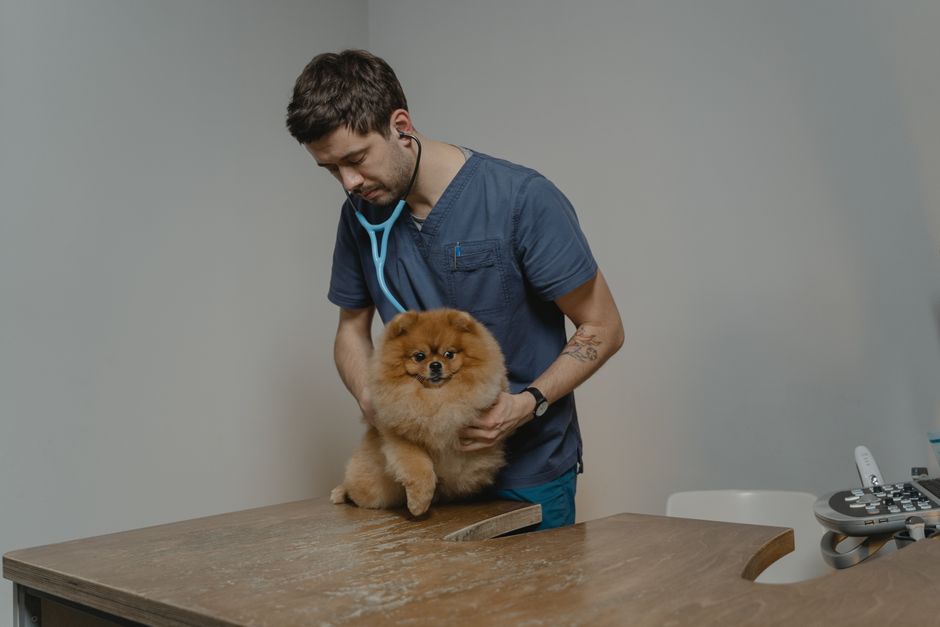
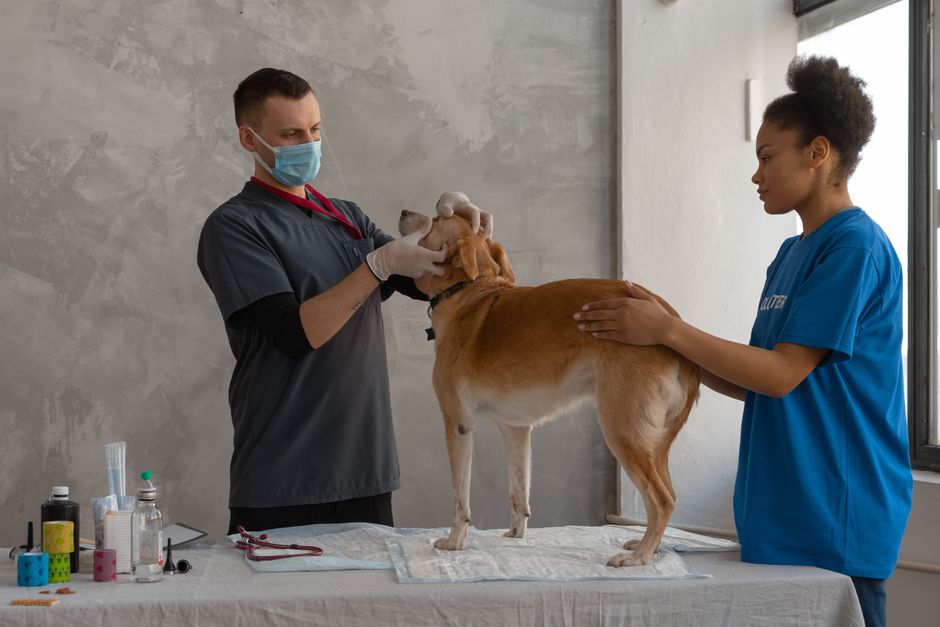
When at-home care is not enough to control your pet’s symptoms, professional veterinary support is essential for lasting relief. At Marysville Veterinary, our team of veterinarians offers comprehensive allergy care services designed to diagnose and manage spring allergies in both dogs and cats. The process typically begins with a thorough physical examination and a detailed discussion of your pet’s medical history, lifestyle, and recent changes in environment. We may recommend additional diagnostics, such as skin scrapings, cytology, or blood tests, to rule out other common causes of itching and discomfort, like parasites or skin infections.
Treatment approaches for spring allergies often include a combination of therapies tailored to your pet’s unique needs. Options may involve prescription antihistamines or anti-inflammatory medications to reduce itching and swelling, topical ointments or medicated shampoos to soothe irritated skin, and, in some cases, allergy-specific immunotherapy for long-term management. If secondary infections are present, antibiotics or antifungal medications might be prescribed. Our veterinary team will also provide guidance on environmental modifications and safe cleaning practices to help minimize allergen exposure at home.
For some pets, especially those with recurring or severe symptoms, routine checkups throughout the allergy season can help monitor progress and adjust treatment as needed. We are committed to working with you to ensure your pet enjoys as comfortable and happy a spring as possible.
At-Home Strategies for Managing Spring Allergies
While veterinary care is the cornerstone of effective allergy treatment, there are several steps you can take at home to help your pet feel better during allergy season. Regular bathing with a gentle, pet-safe shampoo can help remove pollen, dust, and mold spores from your pet’s coat and skin. Wiping your dog’s paws and belly with a damp cloth after walks or time in the yard helps reduce the amount of allergens brought back inside. Consistent vacuuming, washing pet bedding, and using air purifiers with HEPA filters all contribute to a cleaner indoor environment.
Limiting outdoor activities during peak pollen times, usually in the early morning or on windy days, can also make a difference. For cats, keeping windows closed and changing air filters regularly helps reduce exposure to airborne irritants. Additionally, maintaining a healthy diet rich in omega-3 fatty acids may support skin health and reduce inflammation.
If you use chemical cleaners or air fresheners, consider switching to unscented or pet-friendly alternatives, as some fragrances can irritate sensitive pets. Always consult your veterinarian before introducing new supplements or over-the-counter medications, as not all treatments are safe for every animal.
When to Schedule a Veterinary Visit
It can be tough to know when it is time to move beyond home care and seek professional help for your pet’s allergies. Persistent scratching, licking, or skin redness that does not improve after a few days of at-home management is a clear sign that your pet needs additional support. Other warning signs that warrant a veterinary visit include open sores, hair loss, swelling, repeated ear infections, or any difficulty breathing. If your pet seems lethargic, refuses food, or shows other changes in behavior, a prompt evaluation is always recommended to rule out more serious conditions.
Annual or semi-annual wellness visits are an ideal opportunity to discuss any seasonal changes or concerns with our veterinary professionals. Early intervention can prevent mild allergy symptoms from progressing into more severe health issues, such as chronic infections or behavioral problems due to discomfort. At Marysville Veterinary, we encourage you to be proactive by scheduling a wellness examination if you notice any of these symptoms or if your pet’s quality of life is affected by allergies.
Supporting Your Pet Through Spring Allergies: Next Steps
Spring allergies can be a challenge for both pets and their families, but with attentive care and professional guidance, relief is possible. By recognizing the early signs of allergies, reducing exposure to common triggers, and partnering with our experienced veterinary team, you can help your pet enjoy the beautiful spring weather in greater comfort. If you are searching for a "vet near me" to address your pet’s seasonal allergies, Marysville Veterinary is here to help every step of the way.
Do not let allergy symptoms keep your pet from living their happiest life this spring. Schedule an appointment with our compassionate veterinarians for a personalized assessment, or reach out with questions about managing allergies at home. To book a visit or inquire about our allergy care services, call us at (360) 659-7334 or stop by 4010 136th St NE, Marysville, WA 98271. Our team is dedicated to supporting the health and comfort of pets throughout Marysville and the surrounding area all year long.
This blog is for informational purposes only and should not be used as a substitute for professional veterinary advice. Always consult your veterinarian for specific concerns about your pet’s health. For more information on allergies and related topics, visit reputable resources such as the American Veterinary Medical Association.