Preparing Your Dog or Cat for Fall in Marysville

Preparing Your Dog or Cat for Fall in Marysville
As the vibrant leaves begin to change and the crisp air settles over Marysville, WA, you might start thinking about cozy sweaters and pumpkin treats. But have you considered what these seasonal shifts mean for your dog or cat? Fall brings unique changes that can impact your pet’s health, comfort, and daily routine. From cooler temperatures to increased indoor allergen exposure and the last big surge in fleas and ticks, early autumn is a crucial time to reassess your pet’s wellness plan. At Marysville Veterinary, located at 4010 136th St NE, Marysville, WA 98271, our team of veterinarians is dedicated to helping you keep your dog or cat healthy and comfortable as the seasons change. This guide covers everything you need to know about fall pet care in the Pacific Northwest, including coat and skin health, parasite prevention, seasonal allergies, and comfort tips for transitioning into cooler weather. If you’re ready to support your pet’s health this autumn, read on for advice you can trust from a full-service local veterinary hospital.
Recognizing Seasonal Changes: How Fall Affects Dogs and Cats
You might notice your pet acting a little differently as September rolls in. Some dogs and cats become more energetic in the cooler weather, while others may sleep a bit more as daylight hours shorten. Typical signs that your pet is feeling the arrival of fall include changes in shedding patterns, an uptick in scratching or licking, reluctance to go outside on chilly mornings, or increased indoor activity. Watch for indicators such as dry or flakier skin, sneezing or watery eyes, and an increased interest in cozy spots around your home. These shifts are normal, but they can also signal that your pet needs extra support as their environment changes.
Why Fall Brings New Pet Health Concerns
The Pacific Northwest’s fall weather is famous for its quick changes. Shorter days and cooler temperatures prompt your pet’s coat to grow thicker, but this can sometimes lead to matting or skin issues if not managed with regular grooming. Additionally, autumn often brings higher moisture and lingering warmth, creating ideal conditions for fleas and ticks to thrive before the first hard frost. Indoor allergens such as molds and dust can increase as you close windows and heat your home, potentially triggering allergies in sensitive pets. Sudden cold snaps can also affect older animals, causing joint stiffness or discomfort. Understanding these seasonal factors helps you anticipate your pet’s needs and stay ahead of common problems.
Fall Grooming and Coat Care for Dogs and Cats
As your pet’s coat prepares for winter, regular grooming is essential. For dogs and cats that shed heavily, frequent brushing removes loose hair, prevents mats, and distributes natural oils that keep skin healthy. Short-haired breeds benefit too, as brushing helps you monitor for external parasites or skin issues. Pay attention to signs such as excessive shedding, visible dandruff, or sudden bald patches. If your pet’s nails are clicking on hard floors or getting caught in carpet, it’s time for a trim. Well-maintained nails prevent injury and support comfortable movement, especially as your pet spends more time indoors. For professional assistance, consider scheduling pet nail trims with our veterinary team for stress-free and safe grooming.
Parasite Prevention: Don’t Let Fleas and Ticks Linger into Fall
Many pet owners assume flea and tick season ends with summer, but these pests often remain active well into the fall in Marysville and surrounding communities. Fleas thrive in damp leaf litter and can hitch a ride into your home, while ticks may linger until consistent cold temperatures arrive. Key symptoms of a flea or tick problem include frequent scratching, visible flea dirt, irritated skin, or finding a tick attached to your pet after outdoor play. Even indoor pets are at risk, as fleas can be brought in on shoes or other animals. Preventive measures should continue throughout the autumn months. Speak with our veterinarians about year-round flea and tick control options that suit your pet’s lifestyle and health needs.
Addressing Seasonal Allergies in Pets
Just as humans can experience allergy flare-ups in the fall, your dog or cat may also be affected by increased mold spores, dust, and other indoor allergens. Common signs of seasonal allergies in pets include persistent itching, licking at paws, sneezing, watery eyes, and sometimes ear infections. Allergies can develop at any age and are often more noticeable as you begin heating your home. If your pet seems uncomfortable, or if you notice red or inflamed skin, consult our veterinary professionals for a proper diagnosis. Effective allergy care may involve topical treatments, dietary changes, or other therapies tailored to your pet’s specific sensitivities.
When Allergies Are More Than Just a Nuisance
Occasional sneezing or itching is normal, but if your pet is restless, losing fur, or has open sores from scratching, it’s time to seek veterinary care. Chronic allergies can lead to secondary infections or ongoing discomfort, which can often be managed with guidance from our experienced veterinarians.
Maintaining Joint and Mobility Health as Weather Cools
Older dogs and cats, or those with a history of arthritis, may show increased stiffness or reluctance to move as temperatures drop. Watch for signs such as slow rising, hesitation to jump or climb stairs, or a decrease in playfulness. Chilly, damp mornings can make joints ache more, so make sure your pet has a warm, soft bed away from drafts. If you notice these changes, our team can recommend pain management solutions, supplements, or therapies to keep your pet active and comfortable throughout the fall and winter.
Nutrition and Hydration: Adjusting for Autumn
With fall’s arrival, you may need to adjust your pet’s diet or feeding routine. Some pets are less active and may need fewer calories, while others remain energetic and require consistent nutrition. Always provide fresh water, as indoor heating can dry out the air and lead to mild dehydration. If you have questions about diet changes, our veterinarians are happy to provide recommendations based on your pet’s age, weight, and activity level.
Routine Wellness Examinations: The Foundation of Fall Pet Health
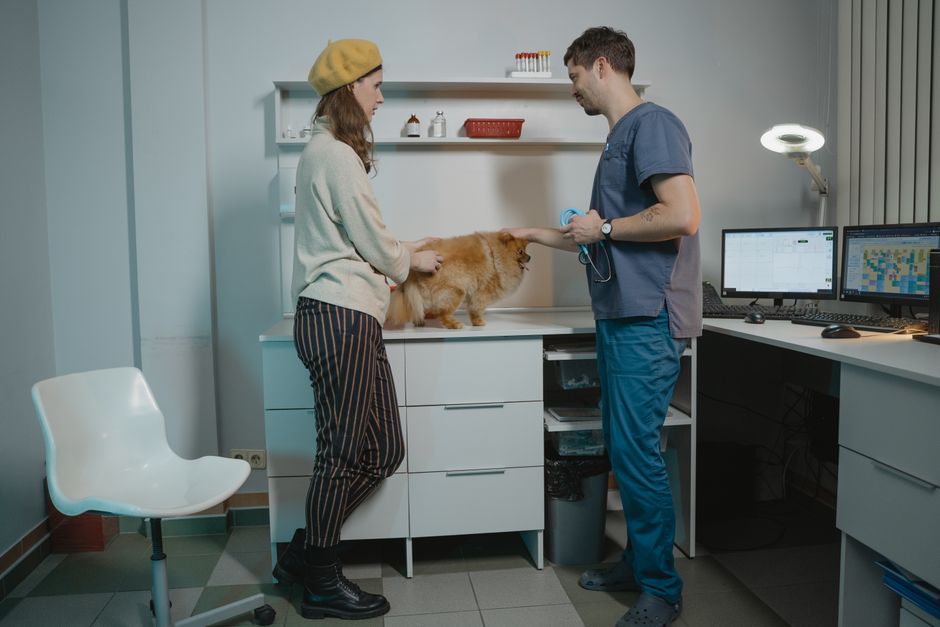
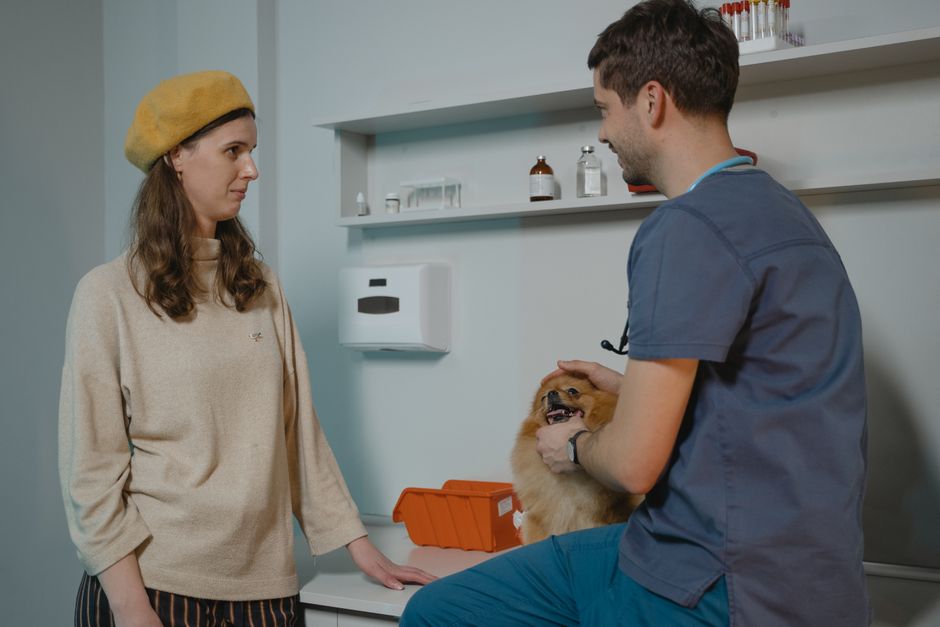
One of the best ways to safeguard your dog or cat’s wellbeing as the seasons change is to schedule a wellness examination. During your visit to Marysville Veterinary, our team will assess your pet’s coat, skin, weight, and overall health, catching early signs of seasonal issues before they become bigger problems. Fall is also an excellent time to review your pet’s vaccination status and ensure protection against preventable diseases. Regular checkups allow us to tailor preventive care for your pet’s specific needs as the environment changes.
When to Call Your Veterinarian: Knowing What’s Urgent
Most pets navigate the seasonal transition with only minor adjustments, but certain symptoms warrant prompt attention. Contact our veterinary hospital if your dog or cat experiences persistent vomiting or diarrhea, sudden lethargy, difficulty breathing, or signs of pain such as limping or vocalizing. Any swelling, open wounds, or dramatic changes in behavior should also be evaluated promptly. For ongoing concerns like skin irritation, unexplained weight loss, or allergies that are not improving with home care, scheduling an appointment ensures your pet receives timely and effective help.
Preparing Your Home for Your Pet’s Fall Comfort
Beyond medical care, simple changes around your home can help your pet thrive during the autumn months. Keep bedding clean and dry, and offer cozy blankets or beds in quiet areas. Check for drafts near your pet’s favorite resting spots, especially for older animals. Maintain a consistent exercise routine, as regular play helps manage weight and supports joint health. Grooming, parasite prevention, and attention to indoor air quality all contribute to a happier, healthier pet throughout the changing seasons.
Your Partner for Fall Pet Wellness in Marysville
Supporting your dog or cat through the transitions of fall is about more than just addressing seasonal challenges; it’s about providing consistent, attentive care that keeps them healthy year-round. At Marysville Veterinary, our compassionate team of veterinarians is here to help you navigate every season with confidence. If you have questions about grooming, parasite prevention, allergies, or any other aspect of fall pet care, we invite you to schedule an appointment at our Marysville location. Whether you’re a long-time client or searching for a vet near me, you can trust us to provide personalized, thorough care for your beloved companion.
To book a fall wellness exam, discuss your pet’s unique needs, or learn more about our services, call our veterinary team at (360) 659-7334. Your dog or cat deserves to enjoy autumn in comfort and good health, and we’re honored to be your trusted partner every step of the way.
For more information on fall pet wellness or to schedule a visit, explore our resources on pet nail trims, flea and tick control, and wellness examinations online, or reach out to our caring team today.