Managing Pet Allergies in Marysville This Fall

Managing Pet Allergies in Marysville This Fall
As autumn settles into Marysville, WA, many pet owners begin to notice their dogs or cats scratching more than usual, sneezing, or developing red, irritated skin. If your companion seems uncomfortable as the leaves change, you are not alone; fall allergies are a common concern for pets in our region. At Marysville Veterinary, located at 4010 136th St NE, Marysville, WA 98271, our experienced veterinary team understands how local allergens can impact your pet’s comfort and overall health. In this blog, we will explore how autumn allergens affect dogs and cats, the most common signs of pet allergies, and what local pet owners can do to help their companions feel their best through the fall season. We will also discuss how our team can support you with effective diagnostics, treatment, and ongoing allergy care right here in Marysville and surrounding communities. If you are concerned about your pet’s symptoms, we invite you to learn more and consider a wellness examination as a proactive first step.
Recognizing Fall Allergy Symptoms in Dogs and Cats
Allergies in pets can manifest in a variety of ways, and fall often brings a unique set of triggers. Key symptoms to watch for include persistent scratching or licking, red or inflamed skin, and hair loss in localized areas. You might also notice head shaking, recurring ear infections, watery eyes, or sneezing. Some pets develop hot spots, which are moist, irritated patches of skin that can quickly worsen if not addressed. Gastrointestinal symptoms such as vomiting or diarrhea may occasionally accompany severe allergies, although skin and respiratory signs are more typical.
For many dogs and cats, the discomfort can escalate quickly. A dog that spends more time outside in the yard may begin chewing at its paws after romping through fallen leaves, while an indoor cat may start sneezing more frequently as outdoor allergens drift inside. If your pet is waking you at night with scratching or seems less interested in their usual activities, it may be time to consider that allergies are to blame.
What Causes Fall Allergies in Pets?
Fall allergies in Marysville and the Pacific Northwest are largely driven by environmental factors. One of the most significant culprits is the increase in airborne mold spores, which thrive in damp, decaying leaves and soil. Seasonal weeds, such as ragweed and sagebrush, release pollen that can easily find its way onto your pet’s fur or be inhaled during outdoor activities. Even pets that spend most of their time indoors can be affected, as these tiny allergens are easily carried inside on shoes, clothing, or through open windows.
Flea allergies can also become more noticeable in the fall, as fluctuating temperatures create ideal conditions for flea populations. For some pets, even a single flea bite can trigger a severe allergic reaction, known as flea allergy dermatitis. Additionally, changes in household routines—such as turning on the heat or spending more time indoors—can expose pets to dust mites or indoor molds.
Understanding the cause of your pet’s symptoms is key to developing an effective management plan. Our veterinary team at Marysville Veterinary takes a comprehensive approach, investigating all potential sources of allergic reactions during your pet’s visit.
How Marysville Veterinary Diagnoses and Treats Pet Allergies
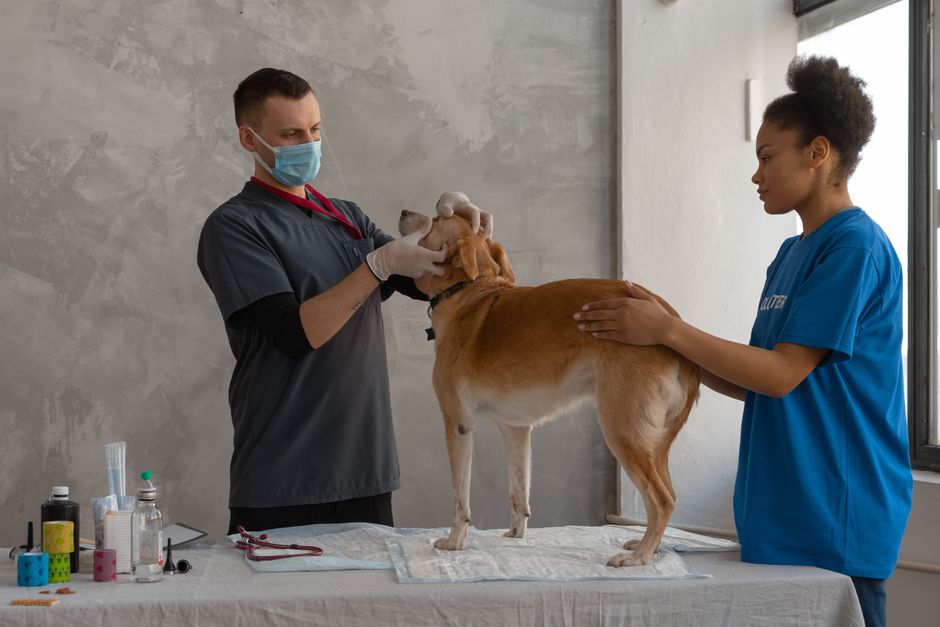
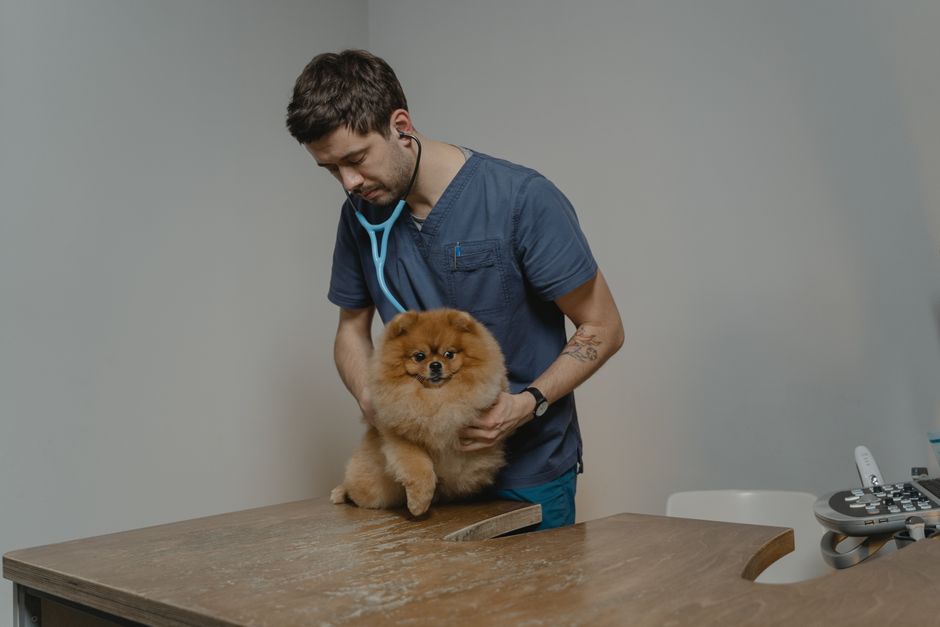
When you bring your pet to Marysville Veterinary for allergy concerns, the first step is a detailed history and thorough physical examination. Our veterinarians will ask about recent changes in your pet’s environment, diet, and daily activities, as well as the specific symptoms you have observed. During a wellness examination, we look for telltale signs of allergic reactions, such as inflamed skin, ear debris, or signs of secondary infection.
Diagnostic testing may include skin scrapings, cytology (examining skin or ear samples under a microscope), and, in some cases, allergy testing to identify specific triggers. For pets with itchy skin or chronic infections, ruling out parasites like fleas is essential. Our team may recommend flea and tick control as part of your pet’s comprehensive allergy management plan.
Treatment options are tailored to each pet’s needs. Approaches may involve anti-itch medications, medicated shampoos, or topical therapies to soothe irritated skin. In cases where secondary bacterial or yeast infections are present, appropriate medications will be prescribed. For pets with ongoing or severe allergies, longer-term strategies such as immunotherapy (allergy shots), dietary modification, or regular veterinary allergy care may be discussed. Our priority is to relieve your pet’s discomfort while minimizing the long-term impact of allergies on their quality of life. You can read more about our approach to veterinary allergy care services for dogs and cats experiencing allergy-related symptoms.
Home Care and Prevention: Supporting Your Pet Through Fall
While professional veterinary care is the foundation of effective allergy management, there are several steps pet owners can take at home to support their dog or cat during allergy season. Bathing your pet regularly with a gentle, vet-approved shampoo can help remove allergens from their fur and soothe irritated skin. Wiping your pet’s paws and coat with a damp cloth after outdoor walks is another way to reduce allergen exposure, especially on high-pollen days.
Keeping your home as allergen-free as possible is important; this involves frequent vacuuming, washing pet bedding in hot water, and using air purifiers if possible. Since fleas are a common trigger, maintaining consistent flea prevention year-round is crucial, even as temperatures drop. If your pet is sensitive to household dust or mold, consider minimizing clutter and addressing humidity issues to limit indoor allergen buildup.
Diet may also play a role in your pet’s immune response. Some pets benefit from diets formulated for skin health or with added omega-3 fatty acids, which can help reduce inflammation. Always consult your veterinarian before making substantial dietary changes for your dog or cat.
When to Schedule a Veterinary Visit for Your Pet’s Allergies
If your pet continues to itch, develops red or raw skin, or experiences repeated ear infections despite your best efforts at home, it is time to schedule an appointment with our experienced veterinarians at Marysville Veterinary. Early intervention helps prevent complications such as skin infections, hair loss, and chronic discomfort. Persistent sneezing, coughing, or changes in appetite and behavior also warrant prompt attention.
For many pets, allergies are a lifelong concern, but with the right management plan, they can enjoy a comfortable, happy life. Our team is committed to working closely with you, adjusting treatments as needed and providing ongoing support throughout the allergy season and beyond.
Why Choose Marysville Veterinary for Allergy Care?
At Marysville Veterinary, we understand how much your pet’s wellbeing means to your family. Our compassionate veterinary team combines advanced diagnostics, individualized treatment plans, and a genuine commitment to client satisfaction. Located conveniently in Marysville, WA, we proudly serve pet owners throughout Marysville and the surrounding communities. Whether your dog is struggling with itchy paws or your cat is sneezing more than usual, our hospital is equipped to provide thorough, gentle care.
If you are searching for a veterinarian near me who truly listens and partners with you for lifelong pet health, our team is ready to help. To learn more or to schedule a comprehensive pet examination or discuss allergy care services, please call us at (360) 659-7334 or visit us in person at our Marysville location.
Let Marysville Veterinary be your trusted partner in keeping your dog or cat comfortable, healthy, and happy this fall and throughout the year. If you have concerns about your pet’s allergies or would like to discuss preventive care, reach out to our friendly veterinary professionals today.