Late Summer Allergies in Marysville Dogs and Cats: What to Watch For

Late Summer Allergies in Marysville Dogs and Cats: What to Watch For
As the days of August unfold in Marysville, many pet owners start to notice changes in their dogs and cats. Is your pet scratching constantly, sneezing, or losing fur as summer winds down? These symptoms are more common than you might think and can signal late summer allergies that often affect companion animals in our region. At Marysville Veterinary, our experienced veterinary team understands the unique challenges that come with seasonal allergies for dogs and cats living in the Pacific Northwest. In this blog, we will help you recognize the key signs of late summer allergies, explain why these issues crop up at this time of year, and guide you through effective treatment and prevention strategies for your four-legged family members. Our goal is to ensure your pet stays comfortable and healthy as the seasons change, and to highlight how our team at 4010 136th St NE, Marysville, WA 98271 can support you every step of the way.
If you’re searching for compassionate, comprehensive care for seasonal discomfort, our allergy care services for pets are designed to address the specific needs of dogs and cats in Marysville and surrounding communities. Keep reading to learn what to watch for and how to help your pet thrive even during peak allergy season.
Recognizing Late Summer Allergy Symptoms in Dogs and Cats
Late summer in the Marysville area brings longer days, warm breezes, and a surge in pollen and environmental allergens. For many dogs and cats, this seasonal shift can trigger a range of uncomfortable symptoms that can easily be mistaken for other issues. Key symptoms of late summer allergies in pets include persistent itching, frequent scratching or licking (especially of the paws or belly), red or inflamed skin, sneezing, watery eyes, and increased shedding or bald patches. Many pet owners also notice their dog or cat shaking their head more often, rubbing their face against furniture or the floor, or showing signs of ear discomfort.
It’s important to remember that allergy symptoms can appear differently in each animal. Some dogs may develop hot spots or secondary skin infections due to excessive licking, while cats might overgroom, leading to thinning fur or hairballs. Additionally, respiratory symptoms like sneezing and sniffling are more commonly seen in cats, whereas dogs are often more affected by skin-related issues. If your pet’s usual playful behavior is replaced with restlessness, irritability, or discomfort, allergies could be the culprit as well.
Understanding these signs early helps you distinguish between a simple itch and something that could require veterinary attention. If you notice any of these symptoms persisting for more than a few days or worsening over time, it’s a good idea to schedule an appointment with our veterinary team for a thorough evaluation.
Why Do Dogs and Cats Get Allergies in Late Summer?
Pets in the Marysville area are exposed to a unique mix of environmental allergens, especially during late summer. The primary causes of seasonal allergies include increased levels of grass and weed pollens, mold spores that thrive in the region’s late-summer humidity, and dust or mites that accumulate as homes are closed up to keep out the heat. Ragweed and other common Pacific Northwest weeds are notorious for peaking in August and September, releasing pollen that can affect sensitive dogs and cats.
In addition to pollen, late summer brings more outdoor activity, leading to increased contact with allergens on walks, at parks, or in the backyard. Dogs who love to roll in the grass, or cats who spend time on patios or window sills, can pick up pollen on their fur and paws. Once inside, these allergens can stick around the house and continue to cause irritation. Fleas are also active during this time; flea allergy dermatitis is a common problem that can look similar to environmental allergies.
Genetics and breed play a role as well. Some breeds, such as retrievers, terriers, and certain short-haired cats, are more prone to allergic reactions. Age is another factor, as allergies can develop or worsen as pets get older. Understanding the underlying cause of your pet’s symptoms helps our veterinarians create a tailored treatment plan that addresses both immediate discomfort and long-term relief.
Professional Treatment and Management Options
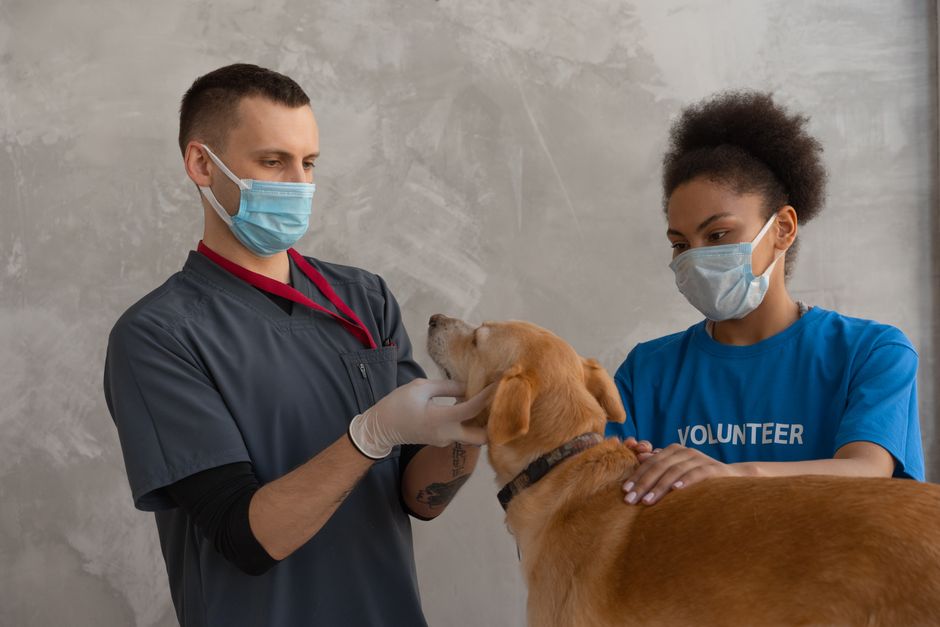
When your dog or cat suffers from allergies, our veterinary team at Marysville Veterinary will first conduct a comprehensive assessment to pinpoint the source of the problem. This process may include a detailed history, physical examination, and sometimes skin tests or bloodwork to rule out infections or other health concerns. Based on the findings, treatment approaches involve a combination of immediate relief and long-term management tailored to your pet’s unique needs.
Medications such as antihistamines or prescription allergy medications can help control itching and inflammation. In cases where skin infections have developed, antibiotics or medicated shampoos may be recommended. For pets with more severe allergies, immunotherapy (allergy shots) might be discussed as a long-term solution. Our veterinarians also offer advice on safe, effective topical treatments and anti-itch sprays that are suitable for dogs and cats.
Flea control is another critical aspect; since flea bites can trigger severe allergic reactions in sensitive pets, keeping your dog or cat on a year-round, veterinarian-approved flea prevention plan is essential. For pets with food sensitivities, our team may suggest diet changes or elimination trials to rule out dietary triggers. All treatment options are discussed thoroughly to ensure you are comfortable with the plan and understand each step involved.
If your pet is experiencing ongoing allergy discomfort, you can explore our allergy care services for pets to learn more about how our veterinarians address both acute and chronic allergy symptoms.
Home Care and Prevention: Helping Your Pet Stay Comfortable
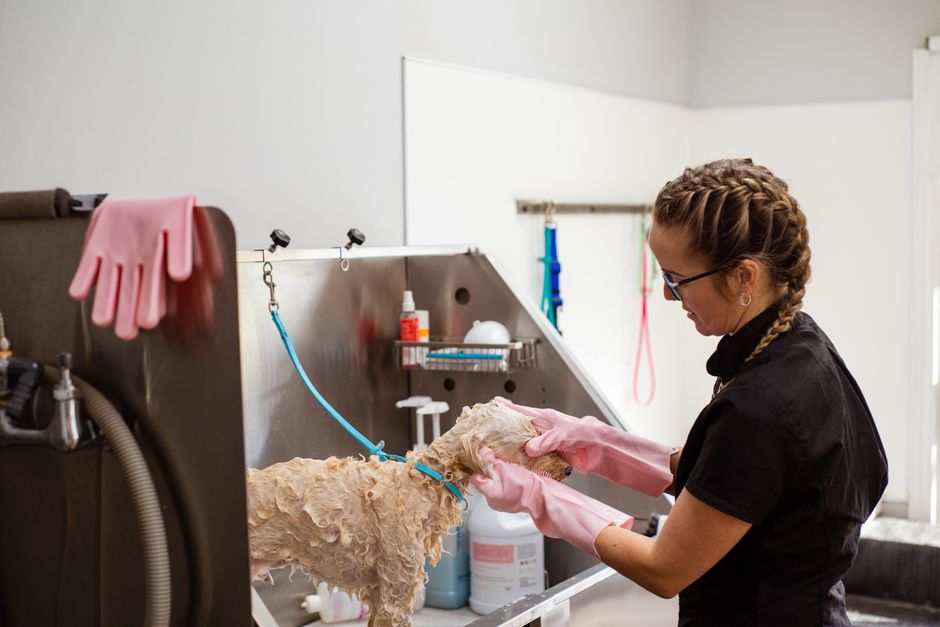
While professional treatment is key, there are several practical steps you can take at home to help minimize allergy symptoms and improve your pet’s quality of life. Regular bathing with hypoallergenic pet shampoos can remove pollen and dust from your pet’s coat, reducing irritation. Wiping your dog’s paws and belly with a damp cloth after walks, or gently brushing your cat’s fur daily, can help prevent allergens from being tracked indoors.
Vacuuming carpets and washing pet bedding frequently also helps keep pollen and dust levels low inside your home. Keeping windows closed during high-pollen days and using air purifiers can further reduce your pet’s exposure. For cats, providing indoor enrichment activities can limit their contact with outdoor allergens while still allowing them to stay active and engaged.
If your pet is prone to flea allergies, maintaining a consistent flea prevention routine is crucial throughout late summer and into the fall. Our veterinary team can recommend the safest and most effective products for your individual pet. If you suspect food-related sensitivities, avoid introducing new treats or foods until your veterinarian can help you determine the best plan.
These home care strategies, when combined with professional guidance, can make a significant difference in your pet’s comfort and well-being as the seasons change.
When to Schedule a Veterinary Visit for Allergies
Some mild allergy symptoms can be managed at home, but there are clear signs that indicate the need for veterinary attention. If your dog or cat is scratching so much that the skin becomes raw or starts to bleed, if you notice open sores, persistent hair loss, or if your pet seems lethargic or loses interest in food, it’s time to schedule a visit with our veterinarians. Recurrent ear infections, swelling of the face or paws, or sudden changes in breathing also warrant immediate evaluation.
Allergies can sometimes be confused with infections, parasites, or underlying medical conditions that require prompt diagnosis and treatment. Our veterinary team is trained to distinguish between these issues and create a targeted plan to help your pet feel better quickly. In many cases, early intervention can prevent minor symptoms from developing into more serious health problems and reduce the likelihood of long-term complications.
If you are unsure whether your pet’s symptoms are due to allergies or something else, our allergy care services for pets provide a comprehensive approach to diagnosis and management, ensuring your dog or cat receives the best possible care.
Supporting Your Pet Through Marysville’s Allergy Season
Late summer allergies are a common concern for dogs and cats in Marysville and surrounding communities, but you don’t have to face them alone. By staying alert to the signs of seasonal allergies, taking preventive measures at home, and partnering with a knowledgeable veterinary team, you can help your pet stay healthy and comfortable all year long. If you are searching for a veterinarian near me who understands the unique needs of Pacific Northwest pets, Marysville Veterinary is here to help.
To schedule an appointment or discuss your pet’s symptoms, contact our compassionate team of veterinarians at (360) 659-7334 or visit us at 4010 136th St NE, Marysville, WA 98271. We are committed to providing the highest level of care for your pet, whether you need allergy relief, preventive health services, or ongoing support for chronic conditions. Let us help your dog or cat enjoy a happier, itch-free late summer and beyond.
If you have concerns about your pet’s health, please consult with a veterinarian before starting any new treatments at home. Every pet is unique, and a professional assessment will ensure the best outcome for your furry companion.