How to Keep Pets Healthy During Wet Marysville Winters

How to Keep Pets Healthy During Wet Marysville Winters
If you live in Marysville, WA, you know how chilly and damp our winters can be—especially when February rolls around. But while you may be used to grabbing your umbrella and bundling up, your pet faces a unique set of challenges when staying comfortable, dry, and healthy during this rainy season. At Marysville Veterinary, located at 4010 136th St NE, Marysville, WA 98271, our team of veterinarians is dedicated to helping you navigate the seasonal changes with practical, veterinarian-approved advice. In this guide, we will cover common winter pet health risks in Marysville, signs your dog or cat could be struggling, preventive strategies for indoor and outdoor comfort, and how our comprehensive veterinary services can support your pet’s wellbeing. Whether you are concerned about muddy paws, sniffles, or how to keep your pet active indoors, we are here to help you and your pet enjoy a healthier, happier winter together.
Recognizing Seasonal Health Challenges for Pets in Marysville
Wet winters in Marysville can bring more than just muddy footprints into your home. Our local climate creates a perfect environment for certain pet health issues to flourish, making it essential to recognize when your pet might be at risk. Common problems during the rainy season include skin and ear infections, joint stiffness in older pets, seasonal allergies, and respiratory illnesses. Dogs and cats that spend time outdoors may also be more likely to encounter fleas, ticks, and other parasites that thrive in damp conditions.
Some of the most noticeable signs that your pet may be affected by winter weather include frequent scratching, licking, or biting at the skin, persistent paw chewing, a musty odor indicating a possible ear infection, and sneezing or coughing. Cats in particular may become less active, hide more often, or refuse to use a wet litter box, while dogs might limp after walks or seem reluctant to go outside. Behavioral changes such as irritability, withdrawal, or changes in appetite can also signal discomfort related to the colder, wetter climate.
Understanding these warning signs early can help you intervene before a minor issue becomes a bigger health concern. If you notice any combination of these symptoms, consider reaching out to your veterinary professionals for guidance or a wellness examination.
Why Do Wet Winters Affect Pet Health?
Winter in Marysville is characterized by frequent rain, chilly temperatures, and higher humidity. These conditions can have several effects on your pet’s body and environment. Damp fur and skin provide the ideal breeding ground for bacteria and yeast, which can lead to skin rashes, hot spots, and ear infections. Dogs that splash through puddles or walk on wet ground may develop cracked paw pads or bring allergens and irritants into the home. For pets already prone to allergies or sensitive skin, the increased moisture can exacerbate itching, redness, and inflammation.
Additionally, many pets become less active during the winter because of shorter days and unpleasant weather. Reduced exercise can worsen joint stiffness, particularly in senior pets or those with arthritis. For cats and indoor dogs, boredom and lack of stimulation may also lead to weight gain or behavioral issues. The damp, cold air can also increase the risk of respiratory illnesses, especially in pets with underlying health conditions.
Flea and tick activity does not stop in winter, either; in fact, wet environments can keep these pests active year-round. This means that skipping parasite prevention during the colder months can put your pet at risk for bites, skin infections, and diseases transmitted by fleas and ticks.
Managing and Treating Common Winter Health Concerns
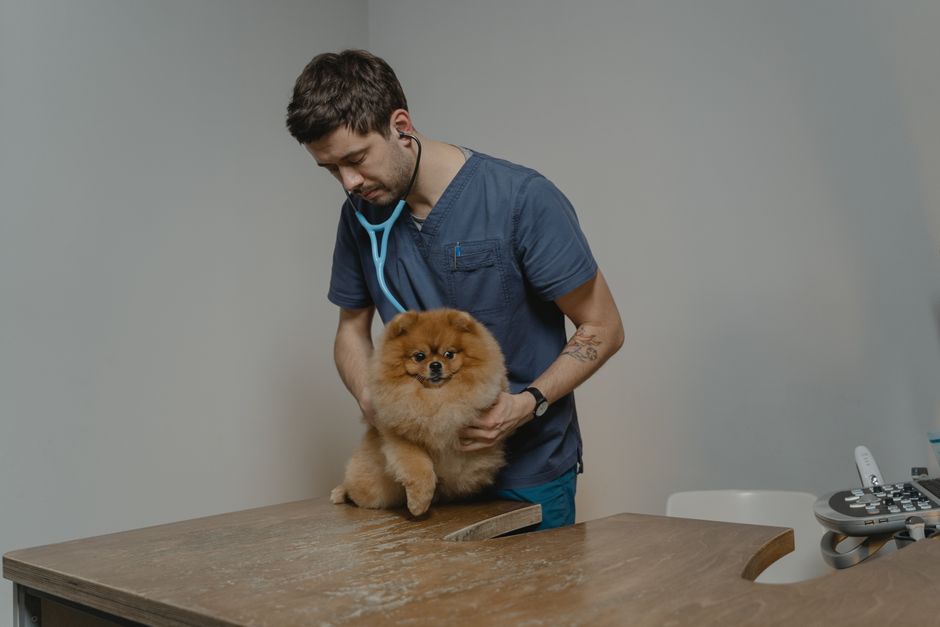
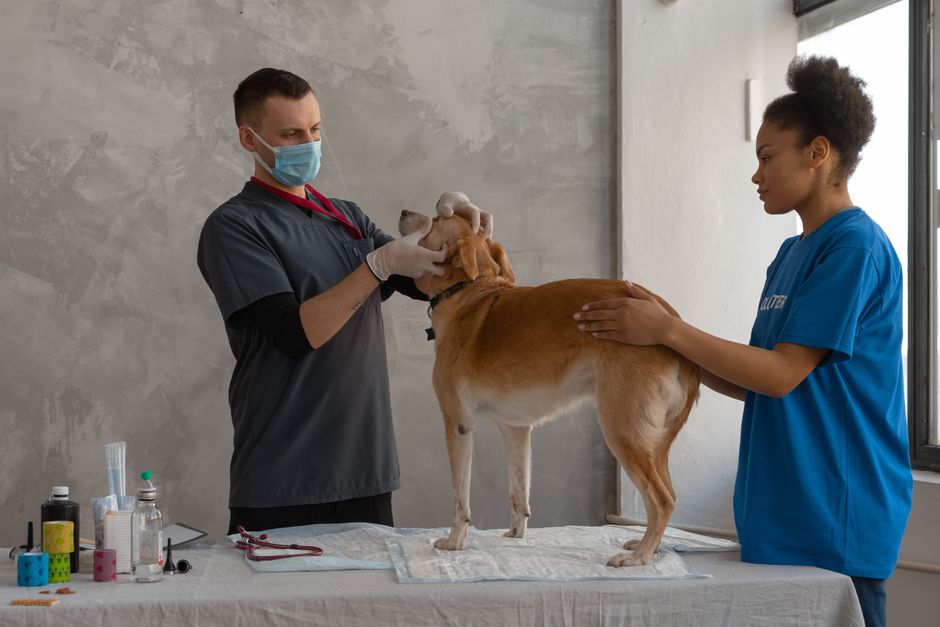
At Marysville Veterinary, our veterinary team is experienced in diagnosing and managing the full range of seasonal pet health challenges. When a pet comes to us with signs of skin irritation, ear infections, or coughing, we conduct a thorough examination to pinpoint the exact cause. For skin and ear problems, treatment options may involve medicated shampoos, topical or oral medications, and cleaning protocols to eliminate infection and soothe discomfort. Our allergy care services are designed to address both seasonal and environmental triggers, helping pets get relief from persistent itching and redness.
When joint pain or stiffness is a concern, especially in older pets, our veterinary professionals may recommend arthritis management strategies that could include pain-relieving medications, joint supplements, and in some cases, specialized arthritis injections to support mobility and comfort during the colder months. If you notice your dog or cat becoming less active or limping after walks, it’s important to bring them in for assessment so we can tailor a treatment plan to their needs.
Respiratory illnesses and infections require prompt veterinary attention. Treatment often involves supportive care, medications, and recommendations for managing symptoms at home. For all medical concerns, our goal is to provide a clear diagnosis and compassionate care so your pet can return to feeling like themselves as quickly as possible.
Preventing Winter Illness and Discomfort at Home
While our clinic is always here to support you, there is a lot you can do at home to keep your pet healthy and comfortable through Marysville’s wet winter. Drying your dog or cat thoroughly after outdoor adventures is critical; pay special attention to the paws, belly, and ears, since lingering moisture can promote infection. Consider using pet-safe wipes to remove mud and debris, and regularly check between paw pads for cuts or signs of irritation.
Maintaining a regular grooming schedule—even in winter—can help prevent matting, reduce shedding, and allow you to spot skin issues early. For pets with long or thick coats, trimming the hair around the paws and ears can minimize the amount of moisture and dirt they carry indoors. Providing clean, dry bedding in a warm area of your home gives your pet a safe retreat from the dampness outside.
Keep pets active even when outdoor walks are limited by offering indoor play sessions, puzzle feeders, or short training games. Regular movement helps maintain joint flexibility and prevents weight gain. For cats, consider adding new toys, climbing trees, or window perches to keep them engaged.
Continue year-round parasite prevention, as fleas and ticks remain active in Marysville’s climate. Our flea and tick control services can help you choose the best products for your pet’s age, lifestyle, and health status. Regular cleaning of your pet’s bedding and vacuuming high-traffic areas in your home further reduces the risk of infestation.
Finally, don’t neglect your pet’s oral health during the winter months. Dental disease can worsen immune system function and overall wellbeing, so keeping up with professional dental care and at-home brushing routines is essential.
When Should You Seek Veterinary Care?
Although many winter-related issues can be managed at home, certain signs mean it’s time to schedule an appointment at Marysville Veterinary. If your pet develops persistent or severe itching, redness, or sores that do not improve after a few days, veterinary attention is needed. Ongoing ear shaking, head tilting, or discharge from the ears also warrants an exam. Pets that are coughing, sneezing excessively, or showing labored breathing should be seen promptly to rule out serious respiratory conditions.
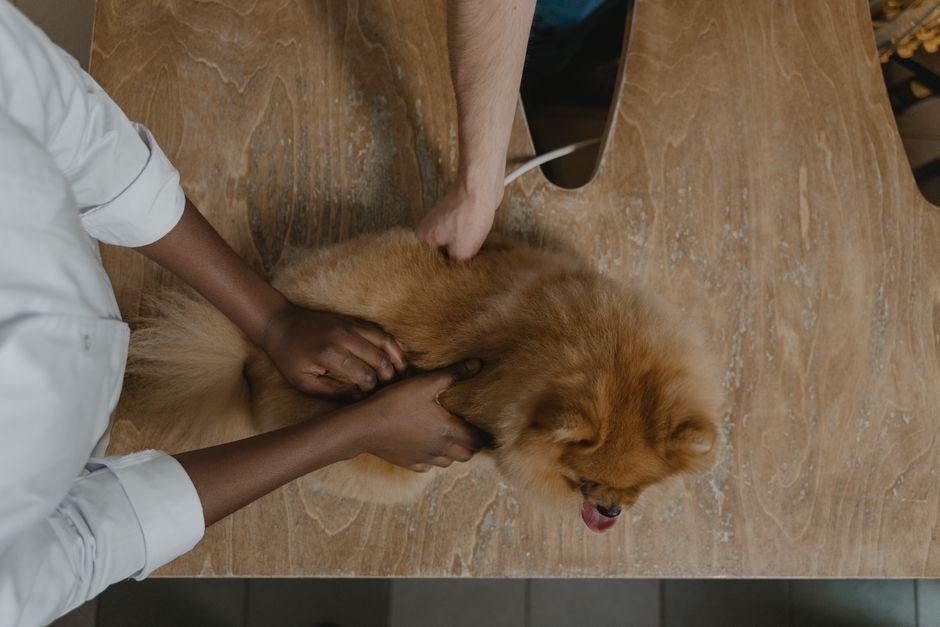
Changes in behavior such as lethargy, loss of appetite, vomiting, or difficulty walking should never be ignored, especially in older pets or those with chronic health problems. Early intervention can prevent complications and ensure your pet receives the care they need. During your visit, our team of veterinarians will conduct a comprehensive pet exam and develop a tailored treatment or prevention plan to keep your pet healthy throughout the season.
If you are ever unsure whether your pet’s symptoms require medical attention, our veterinary professionals are always available to answer your questions and guide you on the next steps.
Supporting Your Pet’s Health All Year at Marysville Veterinary
Keeping your pet healthy during wet Marysville winters does not have to be a struggle. With the right combination of home care and professional support, you can minimize seasonal health risks and ensure your dog or cat stays comfortable and happy indoors. Remember to dry your pet after walks, stay on top of grooming and parasite prevention, and keep indoor activities engaging. Most importantly, do not wait to seek veterinary care if you notice signs of illness or discomfort.
Our team at Marysville Veterinary is here for you and your pet every step of the way. From wellness exams and pet immunizations to advanced diagnostics, arthritis management, and dental care, we are committed to supporting your pet’s wellbeing in every season. If you are searching for a trusted "vet near me" in Marysville or surrounding communities, look no further than our experienced and compassionate veterinary professionals.
Schedule an appointment today by calling (360) 659-7334 or visiting us at 4010 136th St NE, Marysville, WA 98271. Together, we can help your pet enjoy a healthier, more comfortable winter and many happy seasons ahead.
This information is intended for educational purposes only and should not replace professional veterinary advice. Always consult your veterinarian for concerns about your pet’s health or before beginning any new treatments at home. For more information on seasonal pet health or to schedule a visit, contact the veterinary team at Marysville Veterinary.