Coughing and Sneezing in Pets: When to Call the Vet


Coughing and Sneezing in Pets: When to Call the Vet
When your pet suddenly starts coughing or sneezing more than usual, it is natural to worry. Whether it is a gentle sneeze during allergy season or a persistent, raspy cough that keeps you up at night, these symptoms can leave pet owners in Marysville and surrounding communities wondering: is this normal, or does my pet need veterinary attention? At Marysville Veterinary, located at 4010 136th St NE, Marysville, WA 98271, our experienced veterinary professionals understand how concerning respiratory symptoms can be for your family. In this blog, we will help you recognize when pet coughing and sneezing are signs of a minor irritation and when they could indicate a more serious health issue requiring professional care.
You will learn about common causes of respiratory symptoms in dogs and cats, how to recognize when it is time to schedule an appointment, and what to expect from pet diagnostics in Marysville. We will also discuss prevention strategies and home care tips to keep your pet comfortable. If you are searching for a "vet near me" to help with your pet’s coughing or sneezing, our team is here to provide compassionate, comprehensive care. For peace of mind, regular check-ups and wellness examinations can play a vital role in catching issues early and supporting your pet’s long-term health.
Recognizing Problematic Coughing and Sneezing in Pets
As a pet owner, you are the first to notice when something seems off with your dog or cat. Occasional sneezing or a single cough is usually nothing to worry about—pets, like people, sometimes react to dust, pollen, or excitement. However, when coughing or sneezing becomes frequent, persistent, or is accompanied by other symptoms, it is time to pay closer attention.
Key signs that indicate a need for concern include coughing that lasts more than a few days, coughing that is deep, honking, or produces foam or mucus, and sneezing that is frequent or comes with nasal discharge. Additional warning signs are lethargy, loss of appetite, difficulty breathing, or any change in your pet’s normal behavior. In some cases, cats may begin to breathe through their mouths or appear to be struggling for air, while dogs may have bouts of coughing that worsen after excitement or exercise.
It is also important to note whether your pet’s symptoms are seasonal, which can point toward allergies, or if they appeared suddenly and have not resolved. If you live in Marysville or nearby areas, paying attention to how local weather changes or regional allergens affect your pet can provide valuable clues. Noticing these details will help you and your veterinarian determine if your pet’s symptoms are mild or potentially more serious, guiding the need for further pet diagnostics near you.
Understanding the Causes: Why Do Pets Cough and Sneeze?
Coughing and sneezing in pets serve as protective reflexes, helping clear irritants from the respiratory tract. However, when these symptoms persist, they may indicate an underlying health issue. Common causes of pet coughing and sneezing include allergies to environmental triggers like pollen, dust, or mold, which are prevalent during spring and fall in the Pacific Northwest. Other factors involve viral or bacterial infections, such as kennel cough in dogs or upper respiratory infections in cats. Foreign objects like grass seeds, foxtails, or even small toys can occasionally become lodged in a pet’s nasal passages or throat, leading to sudden sneezing or gagging.
Additionally, dental problems can contribute to sneezing, especially in older pets, since infection in the upper teeth may extend into the nasal cavity. Heart disease, especially in small breed dogs, can manifest as a chronic cough, while certain fungal infections and even tumors may be culprits in more serious cases. Air quality in Marysville, whether affected by seasonal wildfires or increased indoor heating during the winter, can also play a role in triggering respiratory irritation.
If you suspect that allergies are contributing to your pet’s symptoms, our allergy care services can help identify and address environmental or food-related triggers. Recognizing these underlying causes allows for more targeted treatment and prevention, supporting your pet’s comfort and well-being.
Professional Treatment and Pet Diagnostics in Marysville
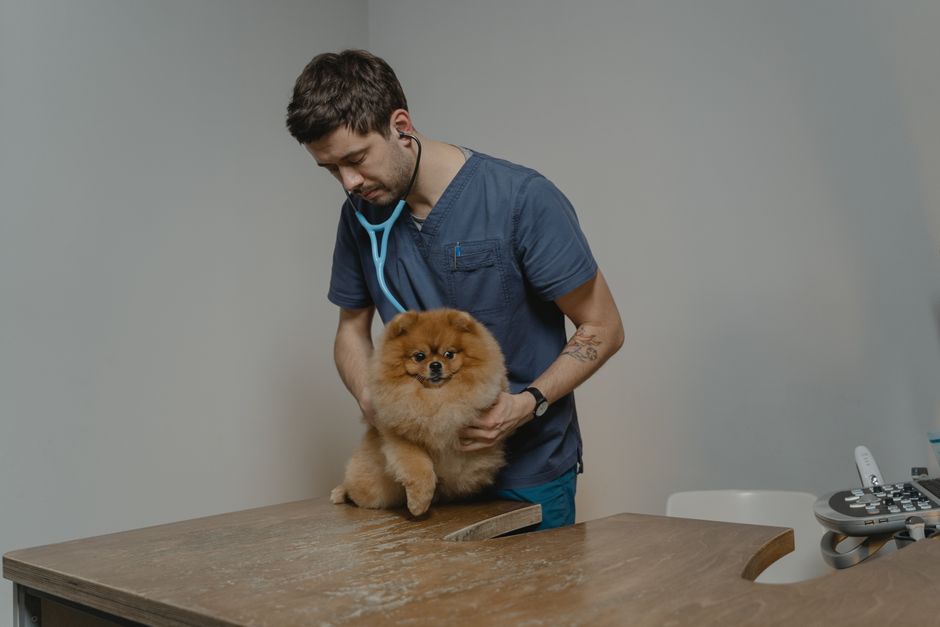
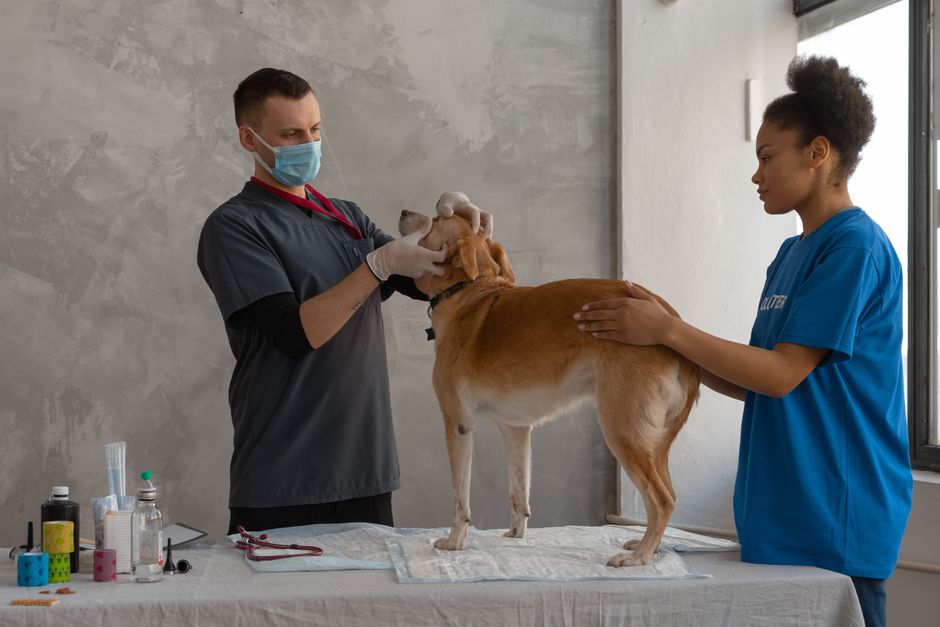
When coughing or sneezing persists, a prompt visit to your veterinarian is essential to pinpoint the cause and begin appropriate treatment. At Marysville Veterinary, we offer a full range of pet diagnostic laboratory services in Marysville to help identify the underlying issue. Our approach usually begins with a thorough physical examination, where our veterinarians listen to your pet’s heart and lungs, check for nasal or oral abnormalities, and assess overall health.
Depending on your pet’s symptoms, diagnostics may involve chest X-rays to detect lung or heart problems, blood tests to check for infection or inflammation, and specialized tests for allergies or infectious diseases. In cases where dental disease is suspected, a dental examination and imaging may reveal abscesses or oral-nasal fistulas, which are common culprits for chronic sneezing. For pets with suspected allergies, our team uses a combination of history-taking, physical exams, and targeted testing to develop a personalized treatment plan.
Treatment options for pet coughing and sneezing in Marysville depend on the diagnosis. They can include antibiotics or antiviral medications for infections, antihistamines or other allergy medications for environmental triggers, dental procedures to address oral health issues, and in some cases, advanced therapies like nebulization or supportive care for chronic respiratory conditions. Our team always prioritizes your pet’s comfort and safety, keeping you informed about every step of the process.
Prevention and Home Care for Respiratory Health
Supporting your pet’s respiratory health begins at home. Simple steps such as keeping your living areas clean and free of dust, regularly washing your pet’s bedding, and using air purifiers can help reduce allergens. During high pollen seasons in Marysville and surrounding communities, limiting your pet’s outdoor exposure or wiping their paws and coat after walks can minimize allergen contact. Routine grooming is also beneficial, as it helps control shedding and dander, both of which can contribute to respiratory irritation.
Ensuring that your pet is up-to-date on vaccinations, particularly those protecting against common respiratory infections like kennel cough, is essential for prevention. Regular wellness examinations allow our veterinary team to monitor your pet’s health, catch early signs of illness, and discuss personalized prevention strategies. Maintaining good dental hygiene is equally important, since untreated dental disease can lead to chronic sneezing and respiratory discomfort. For more information on how professional dental care supports respiratory health, our pet dental care services provide both preventive cleanings and treatment for existing issues.
If your pet has known allergies, working closely with your veterinarian to identify triggers and manage symptoms can make a significant difference. Medications, dietary adjustments, and environmental changes may all play a role in keeping your pet comfortable throughout the year.
When to Call Your Veterinarian: Knowing the Right Time
While mild, occasional coughing or sneezing is usually harmless, there are clear situations where contacting your veterinarian is critical. Seek prompt veterinary care if your pet’s cough or sneeze is persistent, worsens over several days, or is accompanied by thick nasal discharge, blood, difficulty breathing, lethargy, or loss of appetite. Sudden onset of severe symptoms, such as open-mouth breathing in cats or blue-tinged gums, signals a potential emergency and requires immediate attention.
You should also schedule an appointment if your pet has a chronic health condition, is very young or elderly, or if you notice unusual sounds like wheezing, gagging, or choking. For pets with a history of heart or respiratory problems, any change in their normal breathing pattern warrants a call to your veterinary team.
Early intervention is key to effective treatment and a faster recovery. By choosing a quality veterinary clinic like Marysville Veterinary, you gain access to comprehensive pet diagnostics near you and a team dedicated to supporting your pet’s health at every stage. If you are searching for a "veterinarian near me" to help with your pet’s respiratory symptoms, our caring professionals are ready to assist.
Support for Your Pet’s Respiratory Health in Marysville
Coughing and sneezing in pets can range from harmless reactions to signs of serious illness. By staying alert to changes in your pet’s behavior and knowing when to seek help, you play a crucial role in their health and comfort. At Marysville Veterinary, we are committed to providing exceptional pet diagnostics in Marysville, tailored treatment options, and ongoing support for pets in Marysville and surrounding communities.
If you notice your dog or cat coughing or sneezing more than usual, do not wait for symptoms to worsen. Scheduling a wellness examination with our veterinary professionals can help catch issues early and give you peace of mind. Our allergy care services are also available for pets struggling with seasonal or chronic respiratory problems.
To schedule an appointment or discuss your pet’s symptoms, contact our team at (360) 659-7334 or visit us at 4010 136th St NE, Marysville, WA 98271. If you are looking for a "vet near me" who truly cares about your pet’s well-being, Marysville Veterinary is here for you—providing quality veterinary services near you with compassion, expertise, and a genuine commitment to your pet’s lifelong health.
This blog is intended for informational purposes only and should not be used as a substitute for professional veterinary advice. If your pet is experiencing severe or worsening symptoms, please contact your veterinarian immediately.