Why Early Dental Health Matters for Young Pets

Why Early Dental Health Matters for Young Pets
Welcoming a new puppy or kitten into your family is an exciting time, filled with joy, playful moments, and lots of learning. As you focus on providing the best possible care for your young companion, dental health might not be the first thing on your mind. However, starting a strong dental care routine early can make a tremendous difference in your pet’s long-term wellbeing. At Marysville Veterinary, located at 4010 136th St NE, Marysville, WA 98271, our team of veterinarians is dedicated to helping you understand why early attention to pet dental health is essential for puppies and kittens.
In this blog, we’ll explore why puppy and kitten dental care is so important, how to recognize early signs of dental issues, and what you can do at home to support healthy teeth and gums. We’ll also discuss when to schedule your pet’s first professional dental appointment and how preventive care at Marysville Veterinary can help protect your pet’s smile for years to come. If you’re searching for quality “dental vet near me” or comprehensive puppy and kitten dental care in Marysville, you’re in the right place. Our experienced veterinary professionals are here to support you and your pet every step of the way. For those interested in learning more about professional dental services, you can find detailed information about professional dental care services for pets, including cleanings to maintain teeth and overall health, right on our website.
Recognizing Dental Problems in Puppies and Kittens
Many pet owners assume that dental disease is only a concern for older animals, but dental issues can develop surprisingly early in life. Understanding what to watch for can help you catch concerns before they become serious problems. Early signs of dental trouble in young pets may include persistent bad breath, visible tartar or brownish discoloration on the teeth, red or swollen gums, and reluctance to chew toys or eat dry food. You might also notice your puppy or kitten dropping food from their mouth, pawing at their face, or showing discomfort when their mouth is touched. In some cases, teething puppies or kittens may chew excessively, but if you see bleeding gums or broken baby teeth, it’s time to pay closer attention. These symptoms can be subtle, especially in playful, energetic young pets, so it’s important to include a dental exam as part of your pet’s regular wellness routine.
One common misconception is that baby teeth don’t matter since they fall out, but problems with deciduous (baby) teeth can affect how adult teeth develop and set the stage for future dental disease. This is why early dental checks during your puppy or kitten’s wellness examination at Marysville Veterinary are essential for long-term health.
Understanding the Causes of Dental Disease in Young Pets
Dental disease in puppies and kittens often starts with the buildup of plaque, a sticky film of bacteria that forms on teeth after eating. If not removed by regular cleaning or chewing, plaque can harden into tartar, which causes inflammation of the gums—a condition known as gingivitis. Over time, this can lead to the loss of baby teeth, pain, and even trouble with the development of adult teeth. Factors that contribute to dental issues in young pets include genetics, diet, and lack of regular oral care. Some breeds, especially small and toy breeds, are more prone to dental overcrowding and early plaque buildup. Kittens and puppies that eat mainly soft food may also develop dental problems more quickly, since the abrasive action of chewing dry food or toys helps to keep teeth cleaner.
Teething, which occurs between three to six months of age in most pets, can present its own challenges. Retained baby teeth, where the deciduous teeth do not fall out as the adult teeth emerge, are common in dogs and cats and can create areas where food and bacteria become trapped. This increases the risk for infection, discomfort, and even malalignment of the adult teeth. Addressing these issues early with professional puppy and kitten dental care in Marysville can help prevent complications and ensure your pet’s mouth develops properly.
Professional Pet Dental Health Services in Marysville: What to Expect
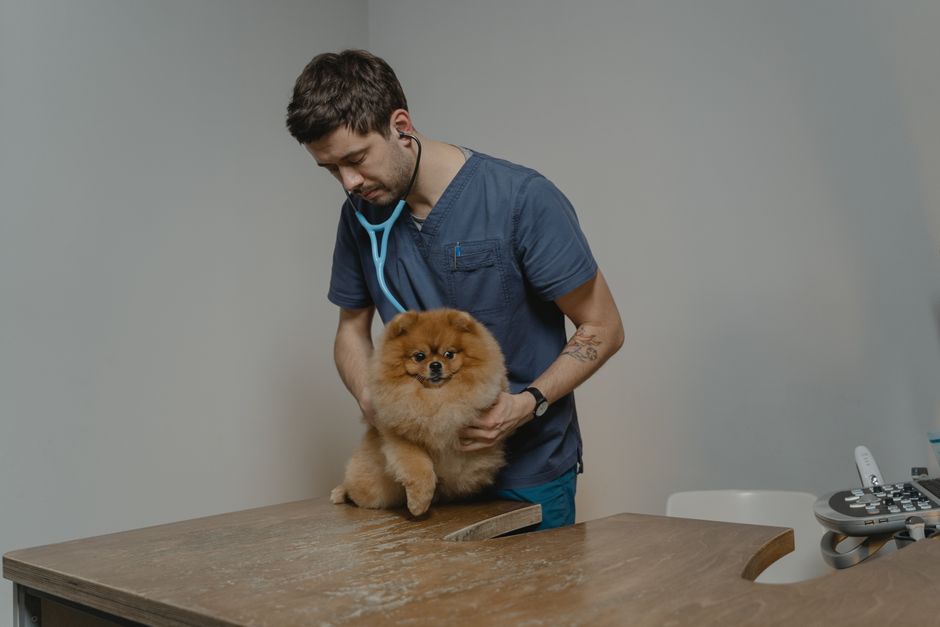
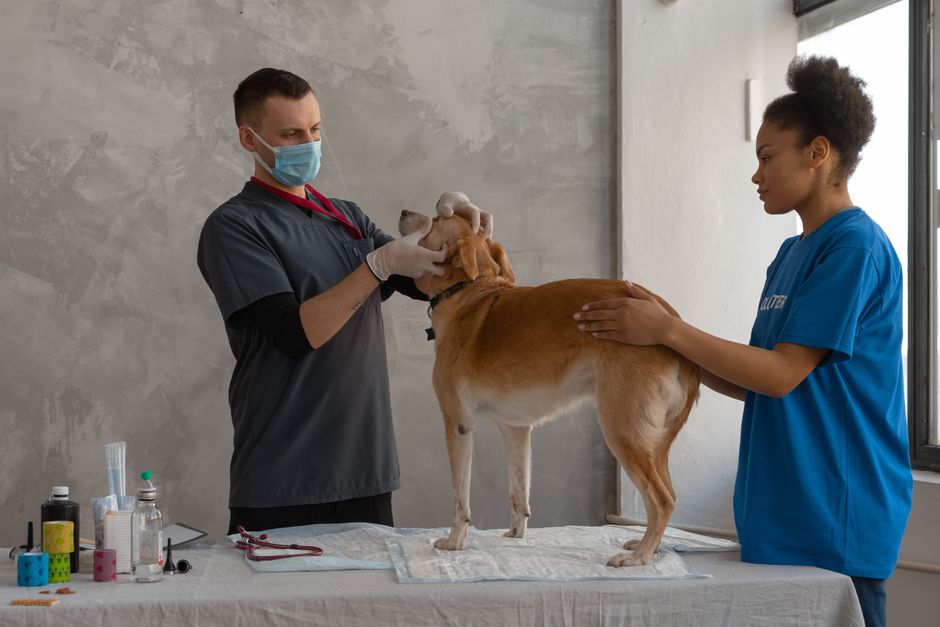
When you bring your puppy or kitten to Marysville Veterinary for dental care, our veterinary professionals start with a gentle, thorough oral exam during your pet’s wellness visit. We assess the condition of the gums, check for retained baby teeth, look for signs of tartar, and evaluate the alignment of the teeth. If we notice any problems, we’ll discuss appropriate treatment options with you. Treatment may involve removing retained baby teeth, addressing any gum inflammation, and recommending a dental cleaning if tartar is present. For most young pets, a professional dental cleaning is not needed unless there are specific concerns, but regular monitoring is crucial.
As your pet grows, we’ll help you establish a routine for ongoing dental care, including guidance on brushing techniques, dental-safe toys, and the best diet for healthy teeth and gums. For those seeking “pet dental health services near me,” our clinic provides advanced equipment and compassionate care to ensure every dental procedure is as safe and comfortable as possible for your pet. Our goal is to make each visit a positive experience so that your puppy or kitten will associate dental care with gentle handling and lots of encouragement.
If you’re curious about what is included in a professional pet dental cleaning or want to know the right time for your pet’s first dental check, you’ll find more information about professional dental care services for pets on our website.
At-Home Dental Care for Puppies and Kittens: Setting Healthy Habits
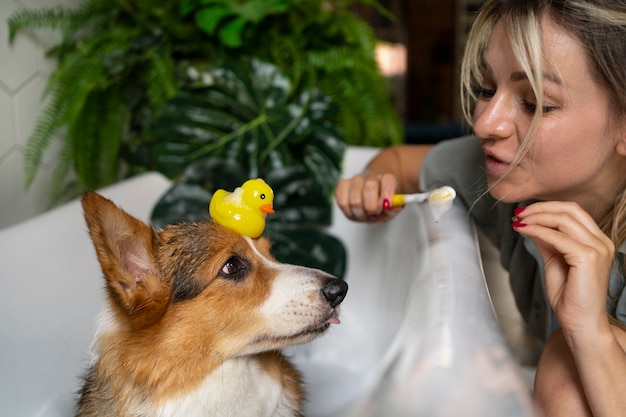
The foundation for lifelong pet dental health starts at home. Regular brushing is the single most effective way to prevent plaque and tartar buildup. Begin by gently introducing your puppy or kitten to the idea of having their mouth handled; you can start by lifting their lips and touching their teeth with your finger. Once they are comfortable, use a pet-safe toothbrush and toothpaste—never use human toothpaste, as some ingredients are toxic to pets. Brushing just a few times a week can make a significant difference. Offering dental-specific chews and toys that are appropriate for your pet’s age and size can also help keep teeth clean and gums healthy. For kittens and puppies, choose toys that are soft enough not to damage baby teeth but provide enough resistance to help clean teeth as they chew.
In addition to brushing and chew toys, maintaining a balanced diet supports oral health. Your veterinarian can recommend diets formulated for dental support, which may help reduce plaque accumulation. It’s also important to avoid hard objects that can fracture teeth, such as bones, antlers, or very hard plastic toys. By starting these routines early, you help your pet become comfortable with dental care, making future veterinary visits and cleanings less stressful for both of you.
When to Schedule Professional Dental Care for Young Pets
Knowing when to seek professional dental care is key to preventing small problems from becoming serious. You should schedule a dental evaluation if your puppy or kitten has persistent bad breath, swollen or bleeding gums, visible tartar, or difficulty eating. Additionally, if you notice retained baby teeth after six months of age, broken or loose teeth, or your pet is pawing at their mouth, an immediate veterinary assessment is warranted. These signs may indicate infection, discomfort, or other issues that require prompt attention from a veterinarian.
Routine dental exams should be a standard part of every puppy or kitten’s wellness plan. At Marysville Veterinary, we recommend including a dental check during your pet’s first wellness examination and at every annual checkup thereafter. This proactive approach allows our veterinary team to identify and address concerns before they progress. For those searching for a “vet near me” who understands the importance of early dental care, you can feel confident knowing our experienced veterinarians are committed to providing comprehensive puppy and kitten dental care in Marysville and surrounding communities.
If you ever feel uncertain about your pet’s oral health, it’s always better to schedule an appointment and get professional advice. Dental issues can develop rapidly in young pets, and timely intervention makes a lasting difference.
Safeguarding Your Pet’s Smile for a Lifetime
Prioritizing pet dental health from the very beginning gives your puppy or kitten the best chance for a healthy, pain-free life. By recognizing early signs of dental problems, understanding the causes, and partnering with your veterinarian for preventive care, you lay the groundwork for a lifetime of healthy habits. Marysville Veterinary is here to guide you through every stage, offering compassionate, expert advice and services tailored to the unique needs of your young pet.
Ready to take the next step in protecting your pet’s smile? Schedule an appointment for a thorough wellness examination or professional dental consultation at our convenient clinic location, 4010 136th St NE, Marysville, WA 98271. Our veterinary professionals are proud to provide puppy and kitten dental care in Marysville and surrounding communities, and we’re always here to answer your questions. For caring, reliable veterinary services, call (360) 659-7334 today to schedule your pet’s visit and experience the difference of a trusted “vet near me.”
Healthy teeth mean a happier, healthier pet—let us help you start your puppy or kitten on the path to lifelong wellness.
Medical Disclaimer: This blog provides general information and is not a substitute for professional veterinary advice. Always consult your veterinarian regarding your pet’s specific needs and circumstances. For additional resources on pet dental health, visit the American Veterinary Dental College.
Final Internal Link Validation Checklist:
- All internal links match the Available Internal Links list exactly.
- Anchor text accurately describes the linked content.
- Internal links are distributed naturally throughout the blog.
- Three different internal links are used.
- No unauthorized URLs are present.